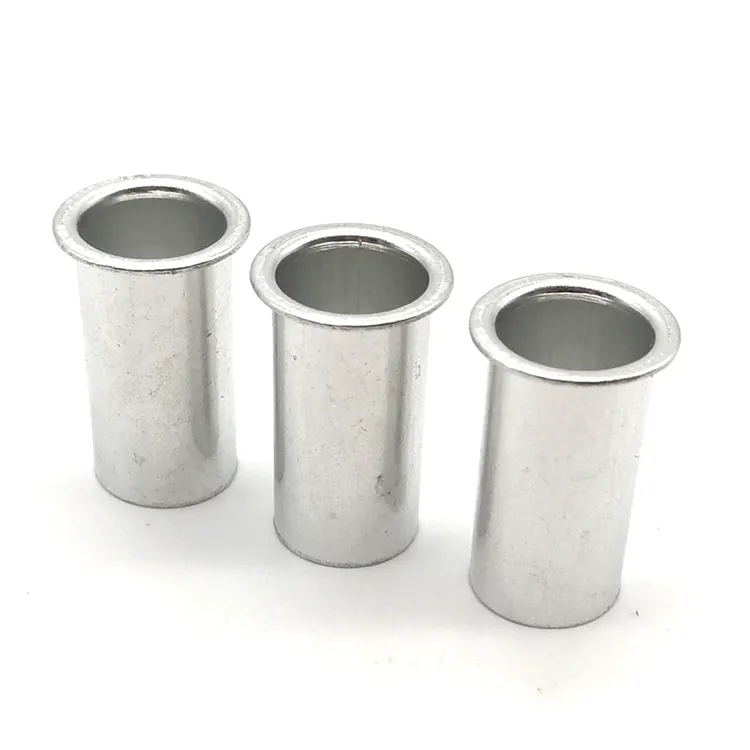
Rivetti tubolari completi

As one of professional high quality Full Tubular Rivets manufacturer, you can rest assured to buy Full Tubular Rivets from Notin and we will offer you the best after-sale service and timely delivery.


Full tubular rivets are also called as hollow rivets or tubular rivets, they are a common mechanical fastener, primarily used in applications requiring lightweighting or ventilation. Their structural characteristics are a completely hollow center with heads at each end, achieving connection through plastic deformation. Widely used in electronics, automotive manufacturing, aerospace, and other fields, they are favored for their unique structural design.


What is a hollow rivet?

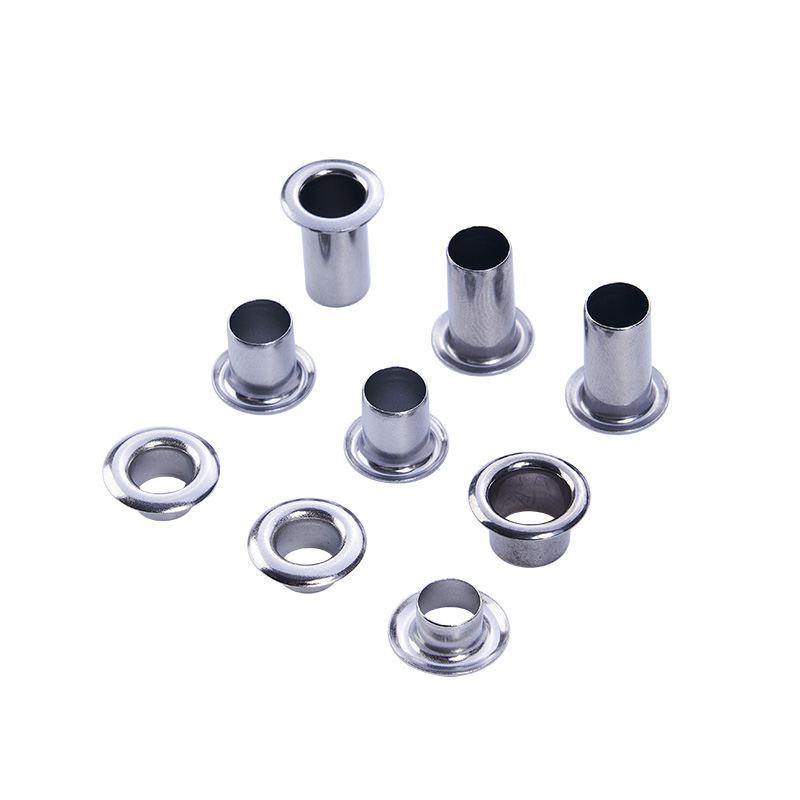
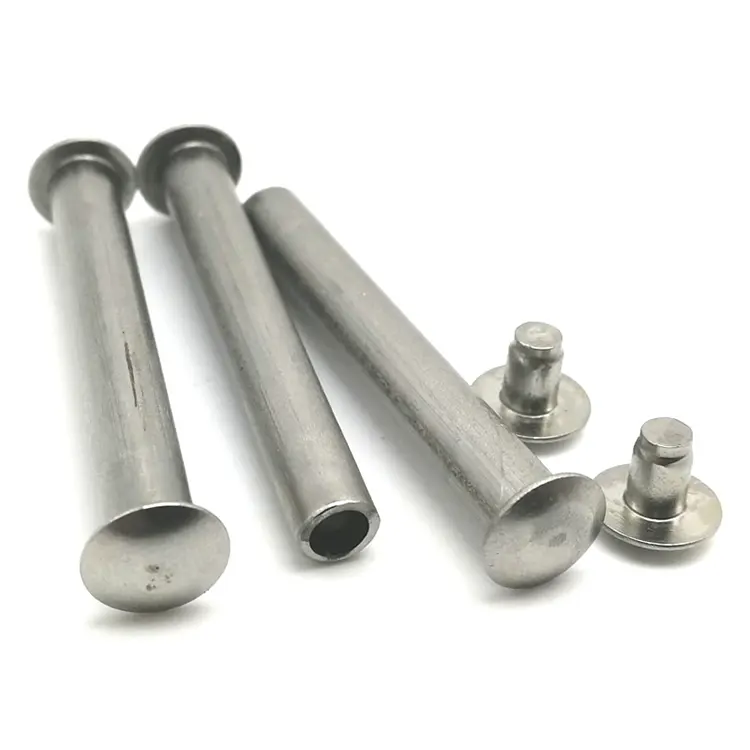
A full tubular rivet consists of a shank and a head. The shank has a through hole in the center, and the head is typically round or oval. During installation, the rivet is inserted through the materials to be joined, and the tail is expanded using a specialized tool to form another head, securing the materials together. Because of the hollow center, full tubular rivets maintain ventilation or fluid conduction after connection, which is their primary difference from solid rivets.


What materials can full tubular rivets be made of? What are the characteristics of different materials?

full tubular rivets are made from a variety of materials, with aluminum alloy, stainless steel, and copper being common.

Aluminum tubular rivets are lightweight and corrosion-resistant, making them suitable for electronic products and lightweight structures. They are the most cost-effective rivets.

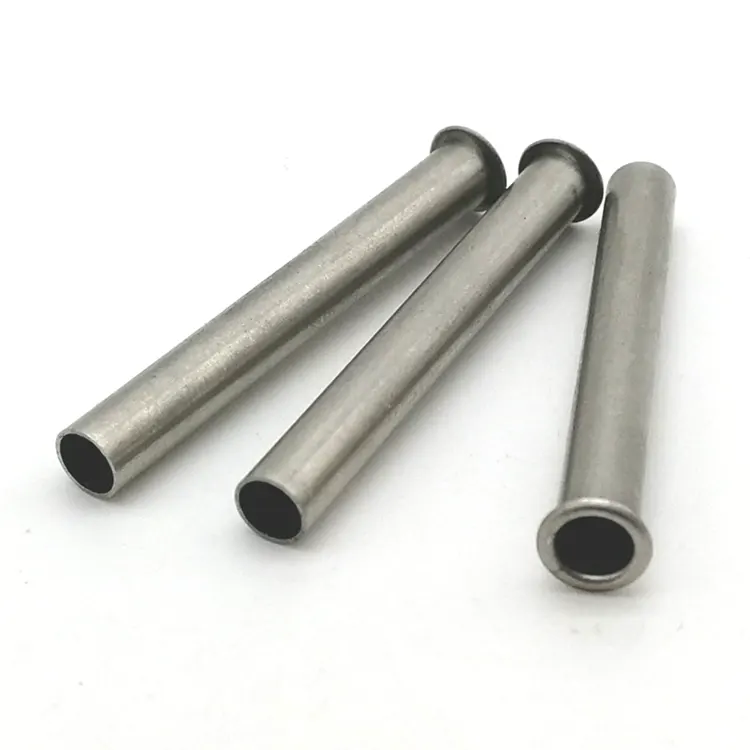
Stainless steel tubular rivets are strong and heat-resistant, and are often used in automobiles and industrial equipment. They are more expensive than aluminum hollow rivets.

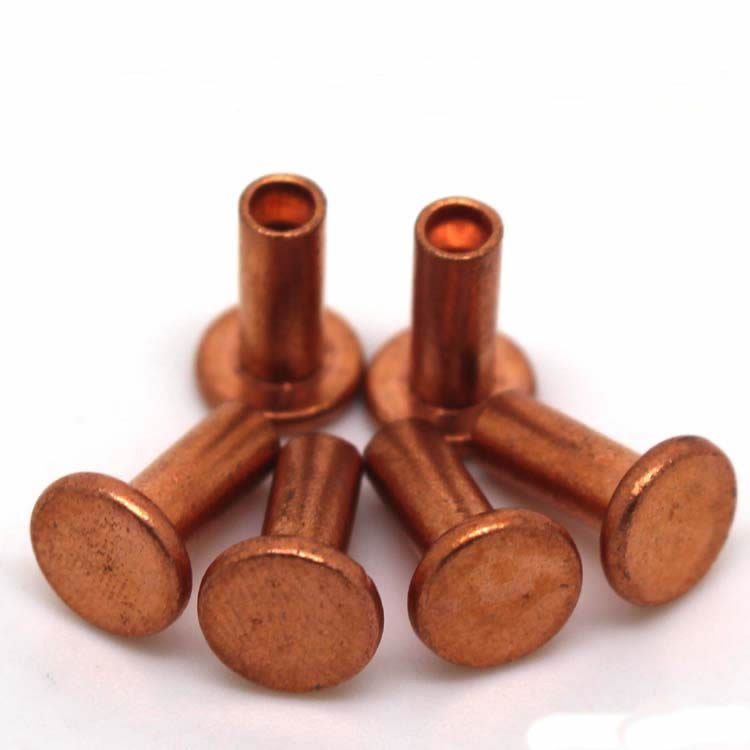
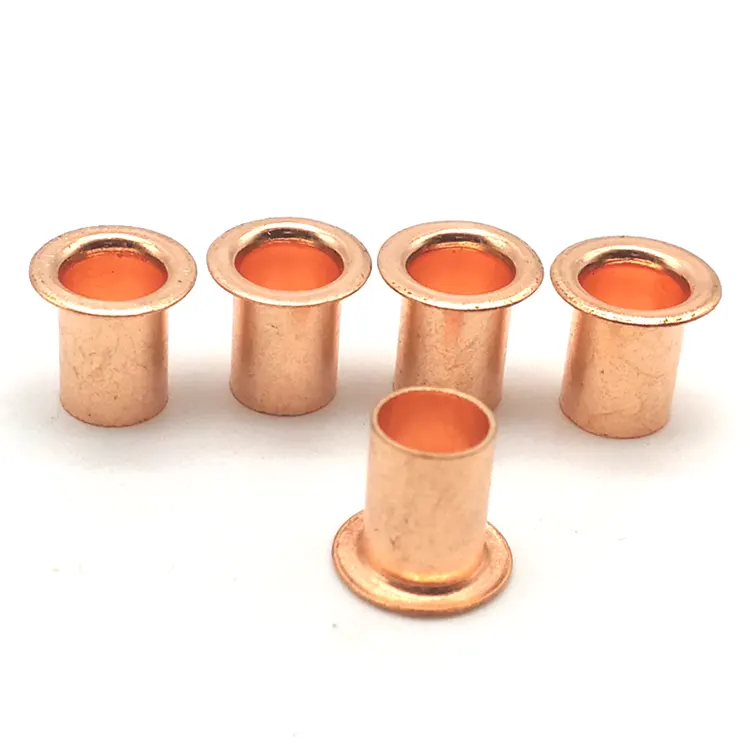
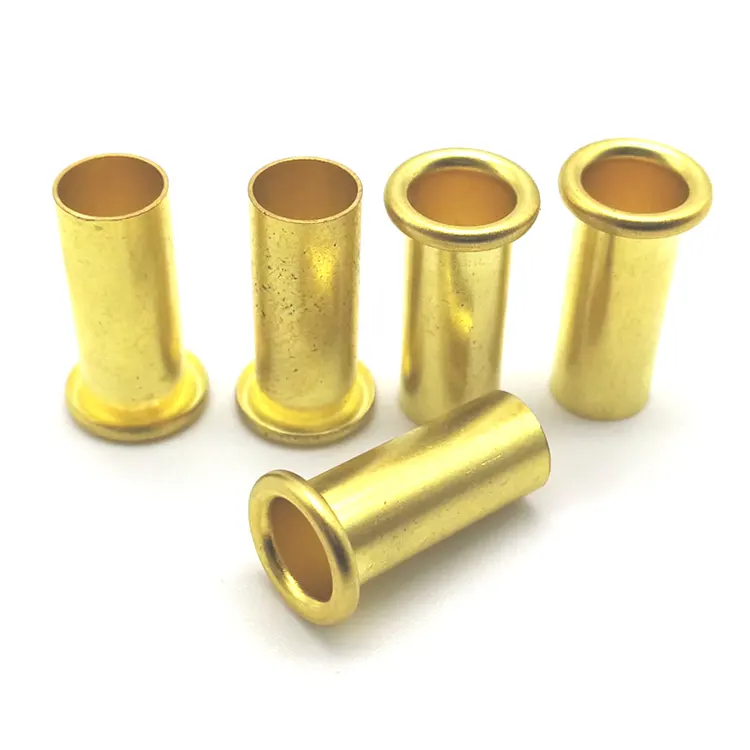
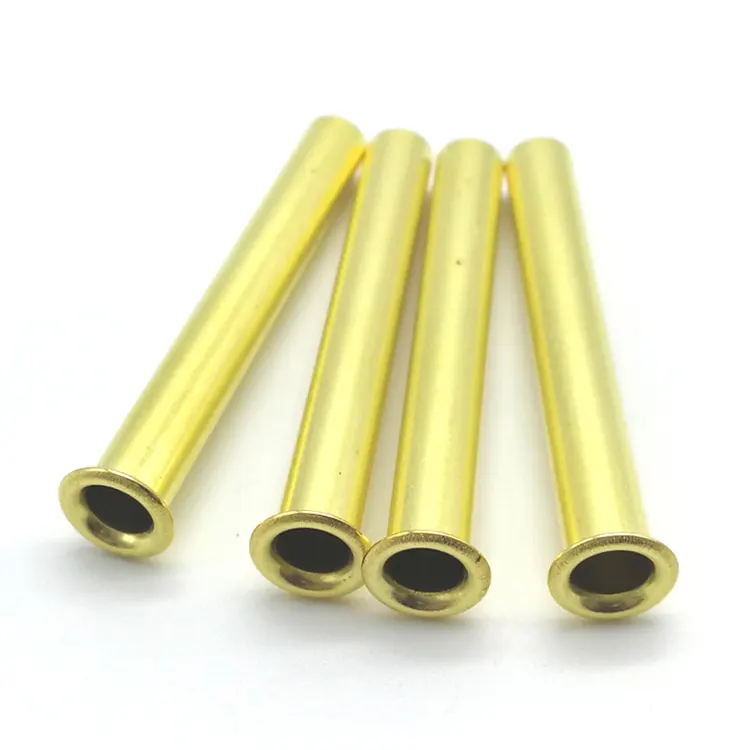
Brass tubular rivets or copper tubular rivets have good conductivity and are mostly used for electrical connections. Their disadvantage is that they are relatively expensive.

When selecting materials, factors such as the use environment, stress conditions, and cost should be considered.

Installation method of full tubular rivets

Special tools are required to install hollow rivets, such as manual riveting machines or fully automatic assembly machines.

The operation steps are as follows:

(1) Drill a hole in the material to be connected, with the hole diameter slightly larger than the rivet diameter.

(2) Insert the rivet into the hole, ensuring that the head is close to the surface of the material.

(3) Align the rivet hole with the matching punch (the punch is installed on the riveting machine). (4) Shake the riveting machine so that the tail of the rivet is impacted by external force and curls up, forming the same arc as the head, thereby achieving the fastening function.

Advantages of Full Tubular Rivets

(1) Light weight: The hollow structure reduces the amount of material used and is suitable for weight-sensitive applications.

(2) Good air permeability: The through hole in the middle can be used for ventilation or diversion to avoid sealing problems.

(3) Easy installation: Only one-side operation is required, which is suitable for narrow spaces or occasions where the back cannot be accessed.

(4) Low cost: Compared with welding or bolting, the riveting process is simple, saving time and manpower.


Disadvantages of Full Tubular Rivets

(1) Limited strength: The hollow structure leads to weak tensile and shear resistance, which is not suitable for high-load scenarios.

(2) Non-removable: Once installed, the rivet is usually not reusable, and disassembly will damage the connection.

(3) Requirements for material thickness: Materials that are too thin or too thick may affect the riveting effect.


What are the main applications of hollow rivets?

(1) Electronic products: such as computer cases, radiators, etc., taking advantage of their lightweight and air permeability.

(2) Automotive manufacturing: used for non-load-bearing parts such as interior panels and wiring harness fixings.

(3) Aerospace: reduce weight while meeting some ventilation needs.

(4) Furniture assembly: connect metal or plastic parts and simplify the installation process.

Comparison between hollow rivets and other rivets

(1) Compared with solid rivets: full tubular rivets are lighter and breathable, but have lower strength.

(2) Compared with semi-tubular rivets: the tail of semi-tubular rivets is partially hollow, with slightly higher strength, but the ventilation is not as good as full hollow rivets.

(3) Compared with blind rivets: the mandrel of blind rivets remains after installation, while the mandrel of full hollow rivets is completely detached, making the connection neater.


Suggestions for purchasing full tubular rivets

(1) Select rivets of appropriate length according to the thickness of the material to ensure that they can fully expand after installation.

(2) Consider the use environment. For example, corrosion-resistant or high-temperature resistant materials should be selected for humid or high-temperature conditions.

(3) Before purchasing in bulk, you can try it out first to confirm the riveting effect and tool compatibility.


Maintenance and precautions for full tubular rivets

(1) Avoid excessive force during installation to prevent rivet deformation or material damage.

(2) Regularly check the connection parts and replace them in time if they are loose or rusted.

(3) Keep them away from moisture during storage to prevent oxidation of the rivet surface that affects their use.

As a practical connector, full tubular rivets have irreplaceable advantages in specific scenarios. Understanding their characteristics and application methods will help you choose and use them reasonably in actual work, improving work efficiency and connection quality.


View as  
 
Copper Hollow Rivets

Copper Hollow Rivets

Copper Hollow Rivets è un dispositivo di fissaggio comune, sono realizzati in rame di alta qualità, che offre eccellente conducibilità elettrica e termica e resistenza alla corrosione. In ambienti umidi, un film di ossido si forma naturalmente sulla superficie del rame, fornendo una certa protezione della corrosione ed estendendo la vita del rivetto. Tuttavia, la durezza relativamente bassa di Copper lo rende inadatto a resistere ad alti carichi meccanici. Contatta i metalli Nuote per saperne di più sui rivetti cavi di rame.

Per saperne di piùInvia richiesta
Rivetti del tubo di ottone

Rivetti del tubo di ottone

I rivetti del tubo in ottone sono rivetti cavi in ​​ottone, in genere cilindrici di forma con un foro centrale. La loro funzione principale è quella di collegare due o più componenti attraverso il rivettamento. Sono spesso utilizzati in applicazioni che richiedono resistenza leggera, conducibilità elettrica o corrosione. L'ottone è una lega di zinco di rame, ha eccellenti proprietà meccaniche e resistenza alla corrosione, rendendolo adatto a questi dispositivi di fissaggio. Nuote Metals è un produttore professionale di rivetti di tubi in ottone.

Per saperne di piùInvia richiesta
Rivetti cavi in ​​ottone

Rivetti cavi in ​​ottone

I rivetti cavi in ​​ottone sono generalmente realizzati in tubi in ottone. I tubi in ottone sono duri, non facili da corrodere e resistenti ad alta temperatura e alta pressione. Possono essere utilizzati in una varietà di ambienti. Allo stesso tempo, sono più facili da piegare, ruotare, crack e rompere rispetto ai metalli ordinari. Nuote Metals è un produttore professionista di rivetti cavi in ​​ottone in Cina, siamo in questo settore per più di 10 anni.

Per saperne di piùInvia richiesta
Rivet tubo di alluminio

Rivet tubo di alluminio

I rivetti del tubo di alluminio sono realizzati in lega di alluminio ad alta resistenza, che vantano notevoli proprietà leggere, con una densità solo un terzo di quello dei rivetti in acciaio. Inoltre, questo materiale offre un'eccellente resistenza alla corrosione, resistendo efficacemente all'erosione da ambienti atmosferici e dell'acqua di mare. L'esclusivo design a struttura cavala riduce ulteriormente il peso complessivo mantenendo la forza. I rivetti del tubo di alluminio realizzati dai metalli nute sono ricchi di precisione, sentiti libero di inviarci la tua richiesta.

Per saperne di piùInvia richiesta
Rivetti per tubi in alluminio

Rivetti per tubi in alluminio

Nuote Metals è un produttore di rivetti per tubi in alluminio in Cina. I rivetti per tubi in alluminio sono costituiti principalmente da una testa del rivetto e da un gambo. Il gambo è un cilindro cavo tipicamente realizzato in leghe di alluminio come 5052 o 6061, che offrono eccellente duttilità e resistenza alla corrosione. Questa lega di alluminio contribuisce alla leggerezza complessiva del rivetto, rendendolo adatto per applicazioni sensibili al peso. Inoltre, lo strato di ossido naturale dell'alluminio previene efficacemente la ruggine causata da fattori ambientali, prolungandone la durata.

Per saperne di piùInvia richiesta
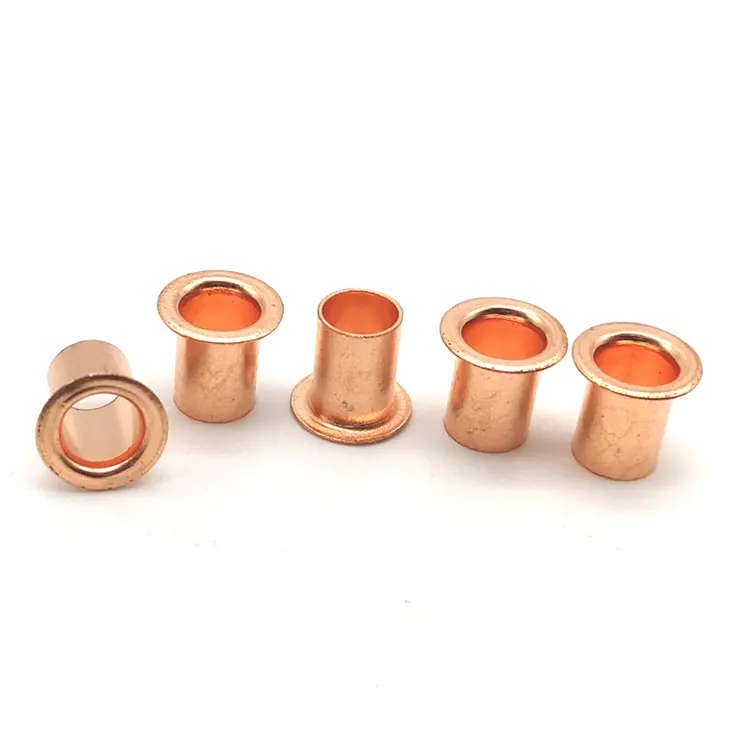
Rivetti cavi in ​​alluminio

Rivetti cavi in ​​alluminio

I rivetti cavi in ​​alluminio sono un elemento di fissaggio comune, sono ampiamente utilizzati in molti campi grazie alla loro leggerezza, resistenza alla corrosione e buona conduttività elettrica. Nuote Metals produce e vende rivetti cavi in ​​alluminio in Cina, abbiamo più di 10 anni di esperienza lavorativa in questo settore.

Per saperne di piùInvia richiesta
Il produttore e fornitore professionale della Cina Rivetti tubolari completi, abbiamo una propria fabbrica. I nostri Rivetti tubolari completi sono noti per la loro durata e l'eccellente finitura e serviamo vari settori con componenti metallici affidabili.

X
We use cookies to offer you a better browsing experience, analyze site traffic and personalize content. By using this site, you agree to our use of cookies. Privacy Policy