
What Are Stamped Steel Parts and Why Are They Essential for Modern Manufacturing
Article Summary: Stamped steel parts are integral components in numerous industries, including automotive, construction, and electronics. This blog will explore the significance of stamped steel parts, the manufacturing process, applications, benefits, and key considerations when choosing them for your next project. By understanding how stamped steel parts are made and their uses, companies can make informed decisions and improve production efficiency.
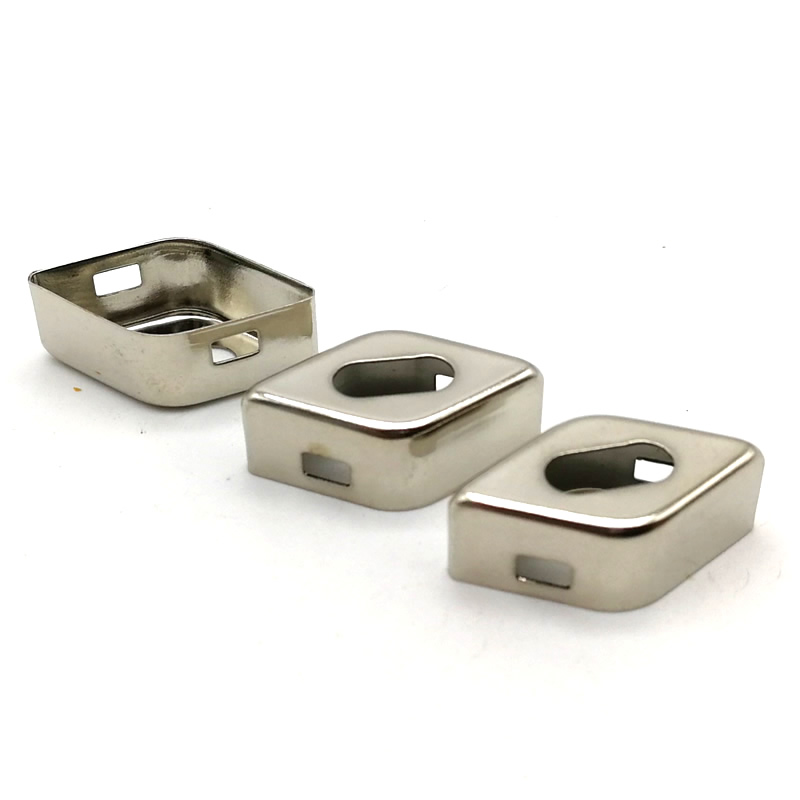
Table of Contents:
- Introduction to Stamped Steel Parts
- The Stamping Process: How It Works
- Applications of Stamped Steel Parts
- Benefits of Stamped Steel Parts
- Key Considerations When Choosing Stamped Steel Parts
- FAQ
- Conclusion
Introduction to Stamped Steel Parts
Stamped steel parts refer to metal components produced through the stamping process, which involves placing a metal sheet into a press and forming it into a specific shape or design. These parts are highly versatile, durable, and used in a wide range of industries. Companies like Nuote specialize in manufacturing high-quality stamped steel parts that meet stringent industry standards.
Steel stamping is a cost-effective way to produce high-volume parts that maintain precision and quality. The stamping process is capable of producing intricate designs, making it suitable for various applications, from automotive parts to electrical components.
The Stamping Process: How It Works
The stamping process involves several key steps, including cutting, bending, and shaping steel to form the desired part. This process can be performed using different types of presses and dies, depending on the complexity of the design. Below is an overview of the stamping process:
| Step | Description |
|---|---|
| Step 1: Material Selection | High-quality steel sheets are selected based on the material's properties and the part's specifications. |
| Step 2: Die Creation | A custom die is created to match the design specifications of the part being produced. |
| Step 3: Pressing | The steel sheet is placed in a press, and the die is used to shape the material into the desired form. |
| Step 4: Quality Check | The stamped part is inspected to ensure it meets the required quality standards. |
Applications of Stamped Steel Parts
Stamped steel parts are used across a wide variety of industries. Below are some of the most common applications:
- Automotive Industry: Stamped steel parts are used in the production of vehicle components such as body panels, brackets, and frames.
- Construction Industry: Steel parts such as connectors, brackets, and fasteners are used in building structures.
- Electronics Industry: Stamped steel parts are essential in the production of electrical components, including housings, connectors, and brackets.
- Consumer Goods: Items like appliances and tools often include stamped steel components for strength and durability.
Benefits of Stamped Steel Parts
There are numerous benefits to using stamped steel parts in manufacturing:
- Cost-Effectiveness: Stamping is a cost-efficient process, particularly for high-volume production runs.
- Precision and Consistency: The stamping process allows for precise manufacturing, ensuring consistency across parts.
- Versatility: Stamped steel parts can be used for a wide range of applications, from simple to highly complex designs.
- Durability: Steel is a durable material that can withstand harsh conditions, making it ideal for heavy-duty applications.
- Design Flexibility: Stamping allows for the creation of intricate and detailed designs, including complex geometries and shapes.
Key Considerations When Choosing Stamped Steel Parts
When selecting stamped steel parts for your project, there are several key factors to consider:
- Material Selection: Choose the appropriate type of steel for the part's intended use, taking into account strength, corrosion resistance, and other material properties.
- Part Complexity: Consider the complexity of the design. More intricate parts may require advanced dies or presses to produce.
- Volume: High-volume production runs often benefit from stamping due to its cost-effectiveness and efficiency.
- Quality Standards: Ensure the manufacturer adheres to strict quality control measures, such as ISO certifications and material testing.
FAQ
Q1: What materials are typically used for stamped steel parts?
Stamped steel parts are typically made from cold-rolled steel, stainless steel, or alloy steels, depending on the specific requirements of the application.
Q2: How does the stamping process affect the cost of production?
The stamping process is cost-effective, especially for high-volume production. The initial setup costs can be high due to die creation, but the cost per part decreases as production volume increases.
Q3: Can stamped steel parts be used for custom designs?
Yes, stamped steel parts can be custom-designed to meet specific requirements. The stamping process is flexible, allowing for a wide range of shapes and sizes.
Q4: How do I choose the right stamped steel manufacturer?
When selecting a manufacturer, look for a company with experience in your industry, a strong quality control system, and a proven track record of producing high-quality stamped steel parts. Nuote is one such trusted manufacturer.
Conclusion
Stamped steel parts play a crucial role in modern manufacturing, providing companies with a cost-effective and reliable way to produce high-quality components. Whether you're working in the automotive, construction, or electronics industry, stamped steel parts offer numerous benefits, including precision, versatility, and durability. When choosing a manufacturer for your stamped steel parts, ensure they can meet your specific needs and quality standards.
If you're looking for high-quality stamped steel parts, look no further than Nuote. With years of experience and a commitment to excellence, we are your go-to partner for precision steel stamping solutions. Contact us today to learn more about how we can support your next project.
Invia richiesta



X
Utilizziamo i cookie per offrirti una migliore esperienza di navigazione, analizzare il traffico del sito e personalizzare i contenuti. Utilizzando questo sito, accetti il nostro utilizzo dei cookie.
politica sulla riservatezza