Parti di rotazione del CNC
Prodotti
- View as
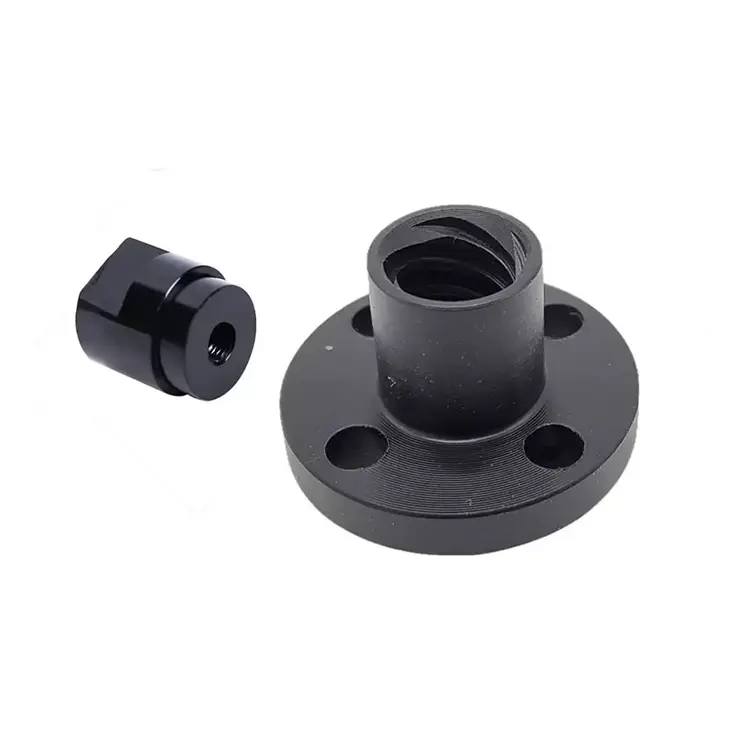
Lavorazione plastica CNC
Con più di 10 anni di esperienza nella lavorazione CNC della plastica, Nuote Metals è in grado di offrire produzioni personalizzate secondo i disegni. Lavoriamo pezzi torniti in plastica PE, POM, PET di nostra produzione, nonché una varietà di altri materiali plastici tecnici e offriamo una lavorazione flessibile di produzione individuale, piccole quantità e serie. I nostri macchinari all'avanguardia garantiscono gli intervalli di tolleranza più ristretti e i nostri dipendenti qualificati garantiscono la qualità costantemente elevata dei vostri progetti.
Per saperne di piùInvia richiesta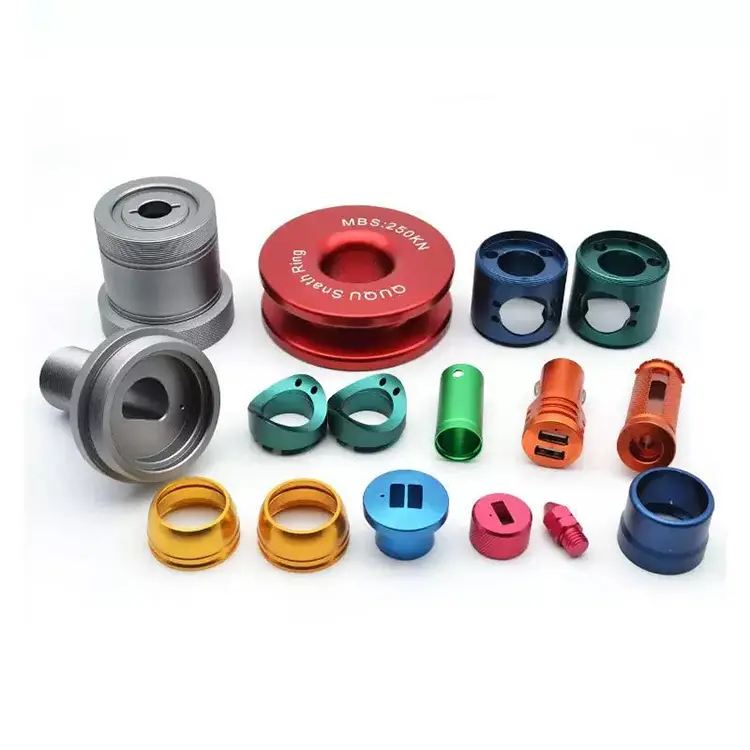
Parti in alluminio CNC
Le parti in alluminio CNC sono ampiamente utilizzate nella produzione moderna grazie alle loro proprietà di leggerezza ed elevata resistenza. Nuote Metals è un produttore professionale di parti lavorate in alluminio CNC, le parti che abbiamo realizzato vengono vendute in più di 20 paesi, possono essere anodizzate con colori diversi come richiesto dal cliente.
Per saperne di piùInvia richiesta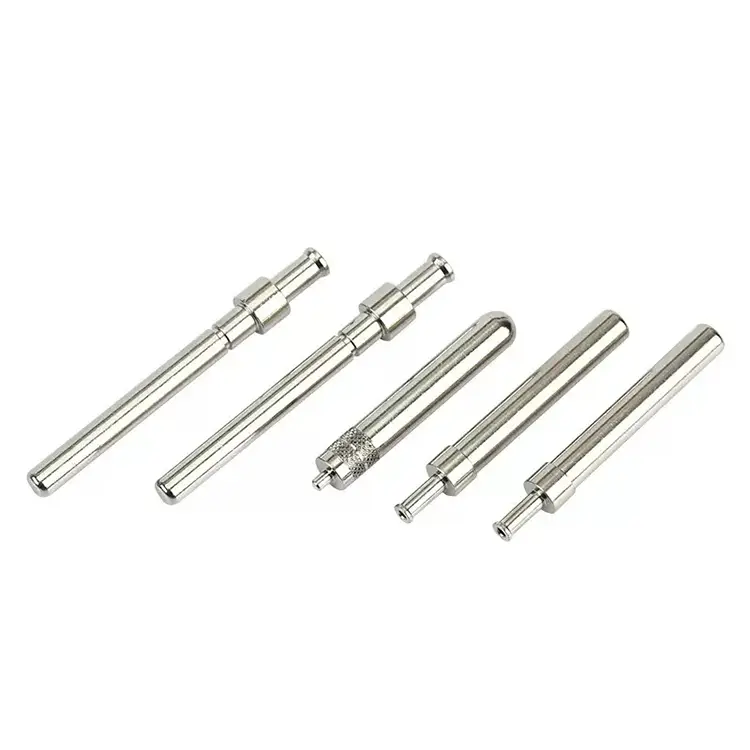
Pin del connettore in ottone
Nuote Metals produce pin del connettore ad alta precisione, il materiale dei pin del connettore può essere ottone o rame o rame berillio, la tolleranza può essere di +/- 0,003 mm, Brass Connector Pins è un esperto da oltre 10 anni in questo settore.
Per saperne di piùInvia richiesta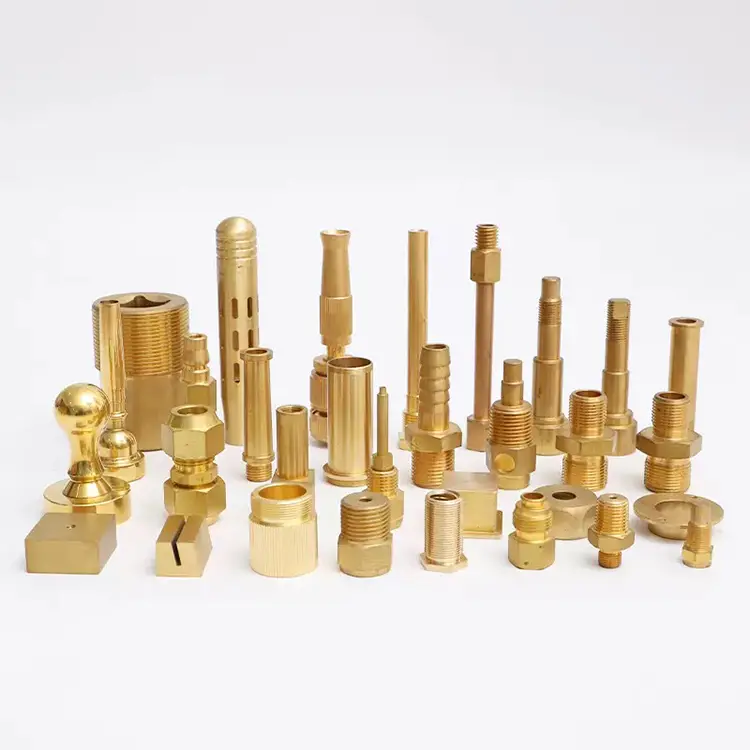
Lavorazione CNC in ottone
Operiamo nel settore della lavorazione di viti CNC da oltre 10 anni, il che significa che abbiamo l'esperienza necessaria per fornirti qualsiasi tipo di pezzo lavorato CNC in ottone di cui potresti aver bisogno. Noi di Nuote Metals ci assicuriamo di aderire agli standard internazionali di qualità e soddisfazione del cliente.
Per saperne di piùInvia richiesta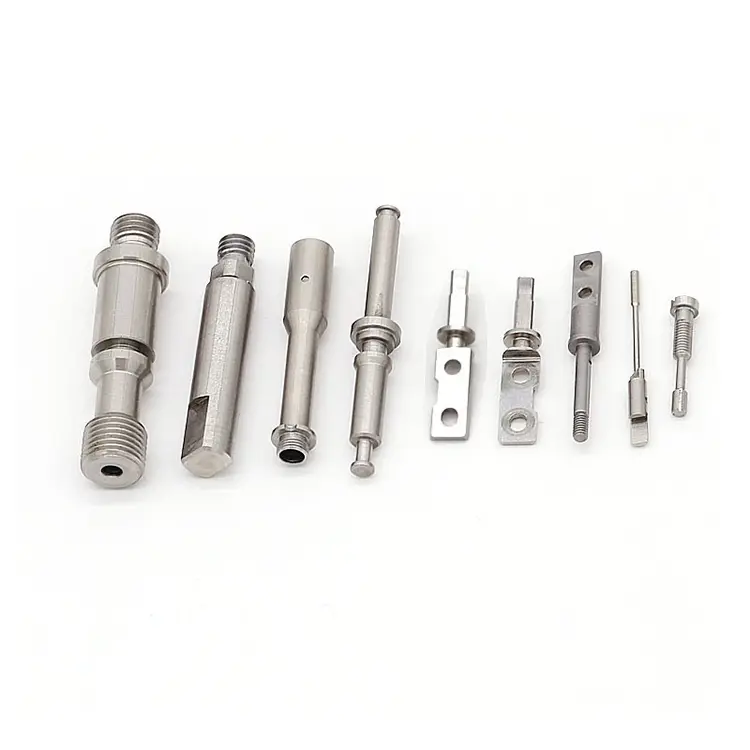
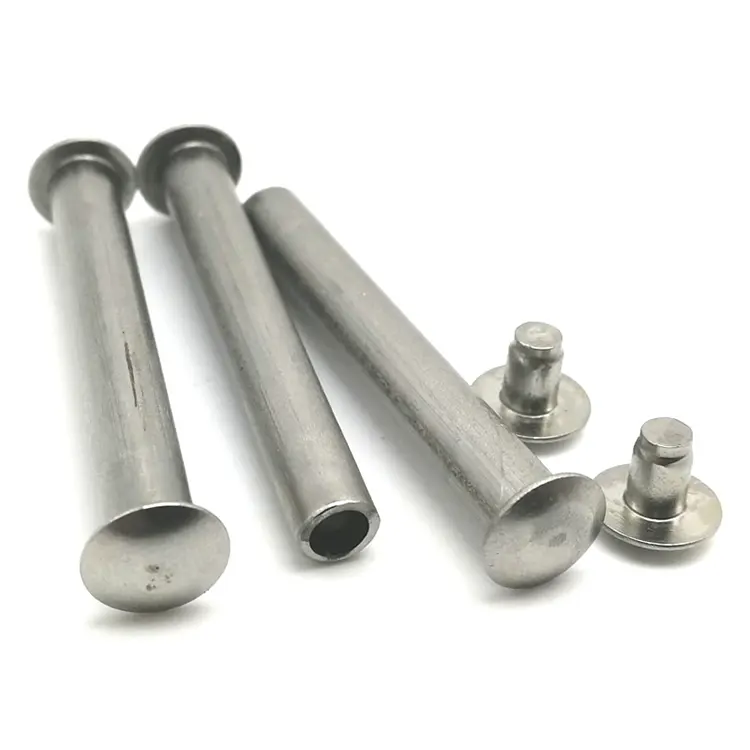
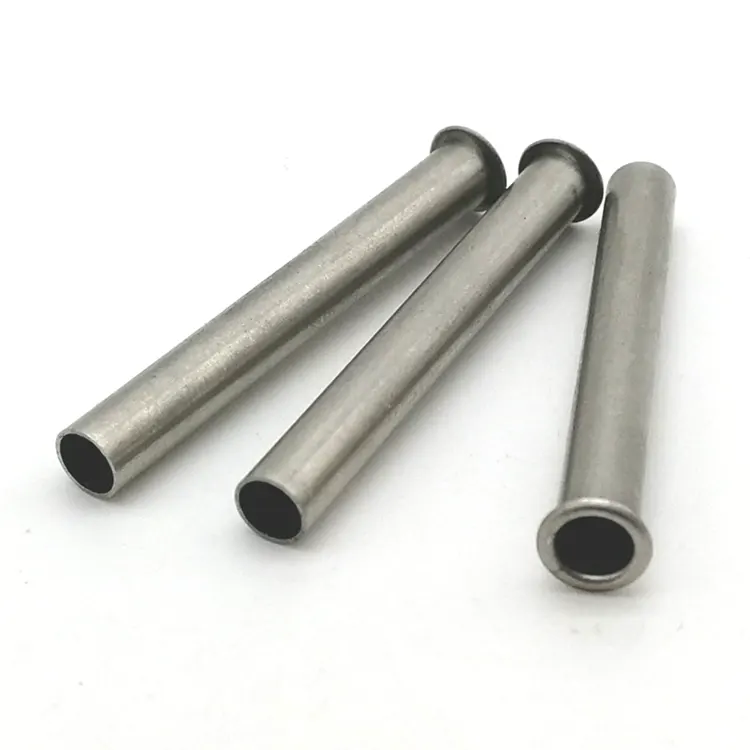
Perno del connettore
Nuote Metals produce diversi tipi di pin del connettore, prodotti dalla nostra macchina CNC, che possiamo realizzare con materiali in acciaio, ottone, rame, acciaio inossidabile, alluminio ecc., La tolleranza può avere una precisione di +/- 0,005 mm.
Per saperne di piùInvia richiesta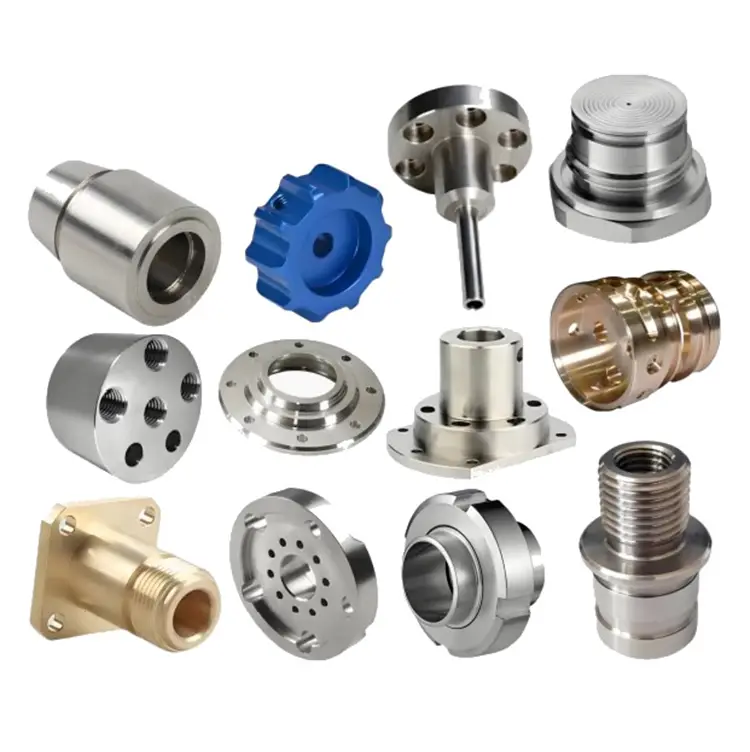
Servizio di lavorazione meccanica di precisione
Nuote Metals offre un servizio di lavorazione di precisione a Dongguan, in Cina, le parti lavorate a CNC realizzate da Nuote sono componenti precisi modellati da macchine controllate da computer seguendo istruzioni programmate.
Per saperne di piùInvia richiestaMain points and precautions for processing different materials
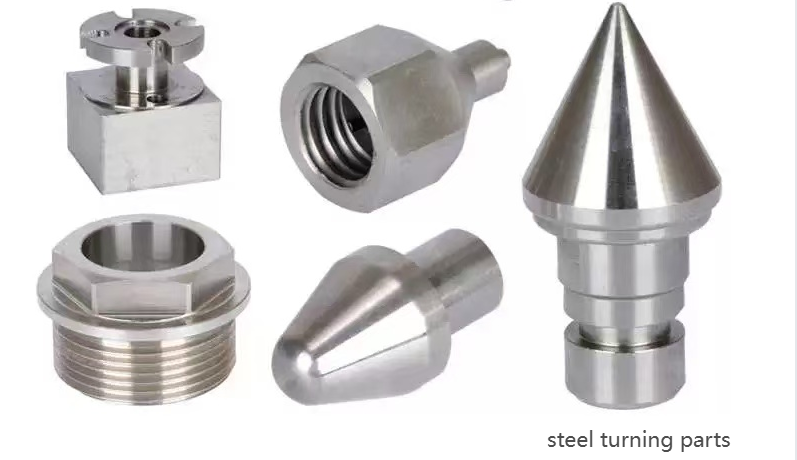
Main points for steel turning:
(1) When performing high-speed cutting, the cutting depth should not be too large to prevent the cutting edge from overheating and becoming brittle and damaged;
(2) Pay attention to cooling and spray water or oil on the cutting area in time;
(3) Pay attention to selecting the appropriate tool type and cutting parameters.
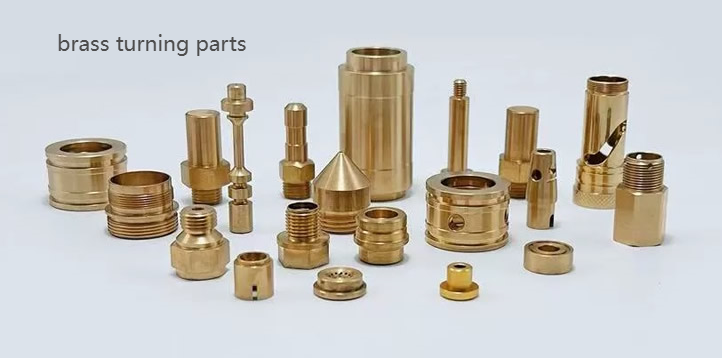
Main points for brass turning:
(1) The processing speed should not be too fast to prevent thermal deformation of the material;
(2) Select appropriate cutting fluid and tool;
(3) Pay attention to tool wear and damage to the cutting edge.
Main points for aluminum turning:
(1) Use cutting fluid to reduce chips;
(2) Select appropriate cutting parameters;
(3) Pay attention to avoiding heating in the cutting area and preventing the cutting edge from deteriorating.
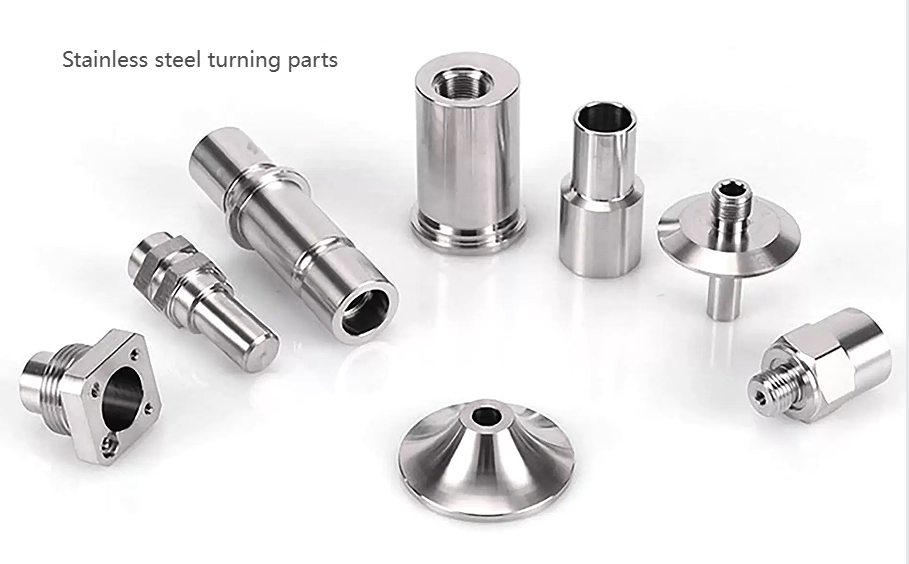
Key points of Stainless steel turning:
(1) Stainless steel has a high plastic deformation capacity. During processing, it is important to control the processing volume to avoid excessive deformation;
(2) Select appropriate cutting parameters and cutting fluids;
(3) Pay attention to tool wear and damage.
What are the advantages of CNC turning processing?
1. High precision: CNC turnings can achieve high-precision processing, and their accuracy can reach below 0.01mm.
2. High efficiency: CNC turnings have fast processing speeds and can continuously process multiple workpieces, which improves production efficiency.
3. High degree of automation: CNC turnings are controlled by computer programs, with a high degree of automation, which reduces the difficulty of manual operation.
4. Stable workpiece quality: CNC turnings have stable processing and high precision, which effectively guarantees the quality of workpieces.
What fields are CNC turning parts mainly used in?
CNC turnings are widely used in high-precision fields such as model manufacturing, aerospace, and satellite manufacturing. At the same time, they are gradually entering large-scale production fields such as automobiles, machinery, and chemicals. CNC turning processing has become an essential tool for modern high-precision, high-efficiency manufacturing.
Conclusion
This concludes our introduction to CNC turning processing. With the continuous advancement of technology, CNC turning processing will be applied in more fields, ushering in even broader development prospects.



X
Utilizziamo i cookie per offrirti una migliore esperienza di navigazione, analizzare il traffico del sito e personalizzare i contenuti. Utilizzando questo sito, accetti il nostro utilizzo dei cookie.
politica sulla riservatezza