Rivetti speciali
Prodotti
- View as
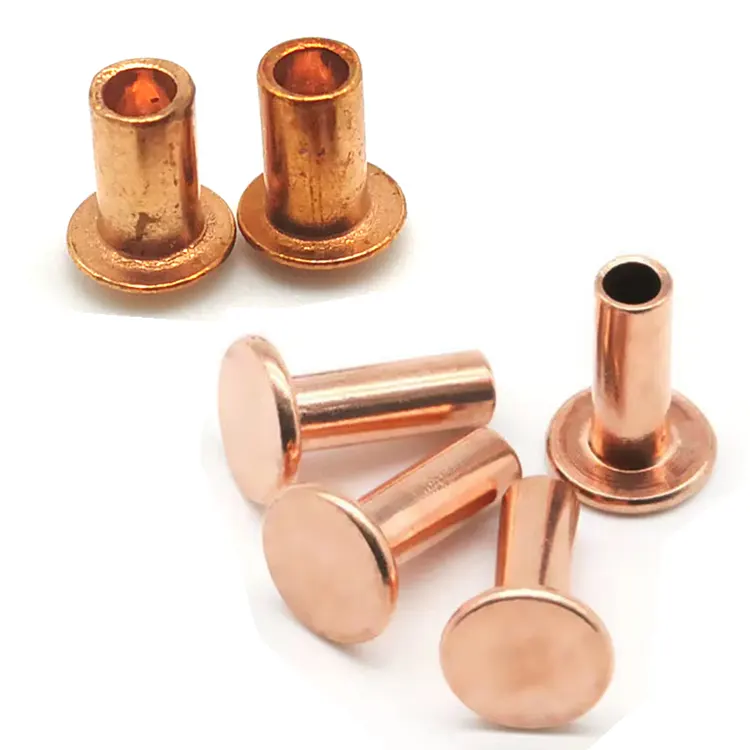
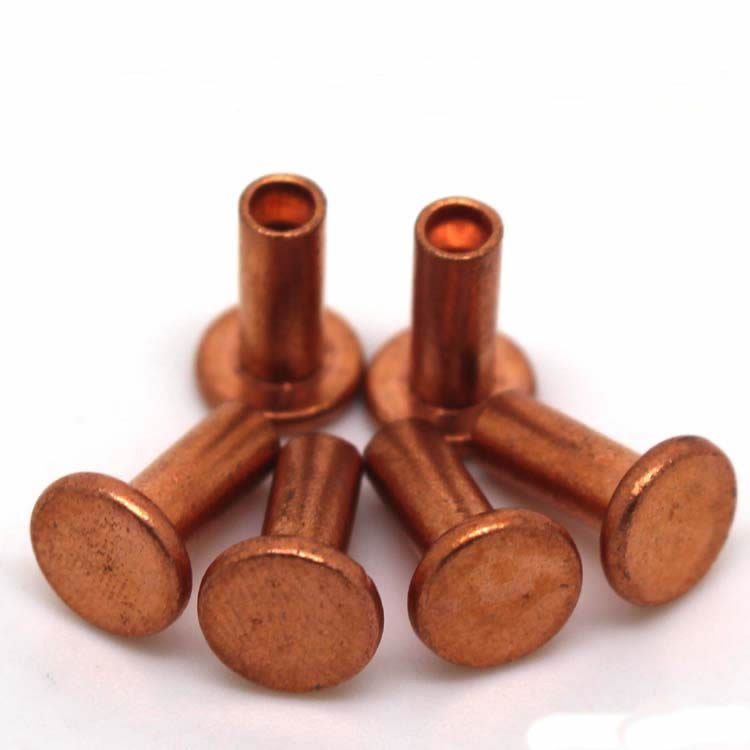
Rivetti in rame
Nuote Metals è un produttore di rivetti professionale con sede a Dongguan, in Cina. I rivetti in rame che produciamo sono realizzati in rame C1100. I rivetti in rame sono un elemento di fissaggio comunemente usato. Il rame ha un'eccellente conduttività termica, che lo rende ampiamente utilizzato nelle applicazioni elettriche e di dissipazione del calore. Inoltre, i rivetti in rame offrono eccellente lavorabilità e plasticità, consentendone la produzione in una varietà di forme e dimensioni.
Per saperne di piùInvia richiesta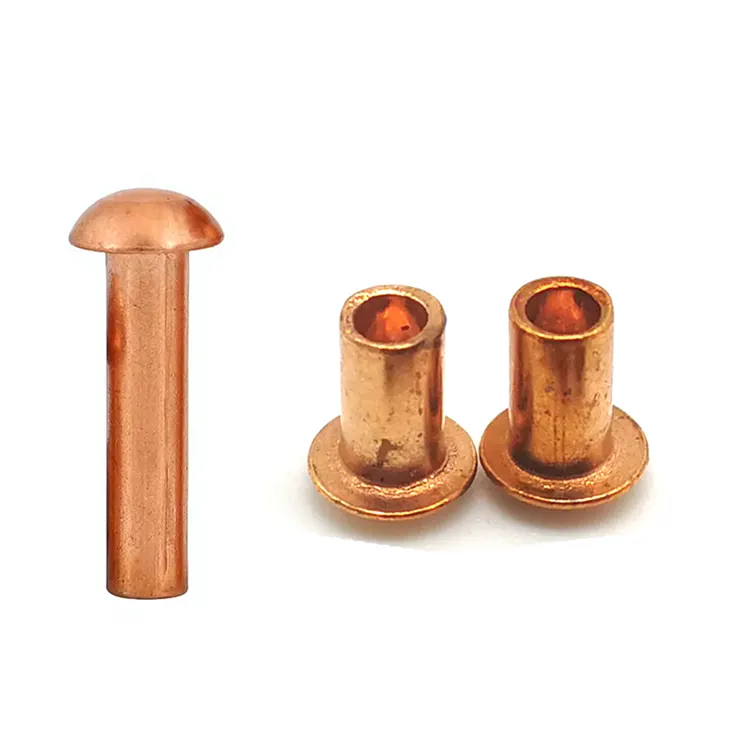
Rivetti a testa cilindrica in rame
I rivetti a testa cilindrica in rame sono di elevata purezza e offrono un'eccellente conduttività, rendendoli adatti per applicazioni che richiedono un'elevata conduttività. Nuote Metals è specializzata nella produzione di rivetti a testa bombata in rame. Utilizziamo qualità ad alto contenuto di rame, come C1100, ma possiamo anche produrre qualità personalizzate. I nostri rivetti in rame subiscono uno speciale trattamento superficiale per resistere all'ossidazione e resistere a un test in nebbia salina di 48 ore.
Per saperne di piùInvia richiesta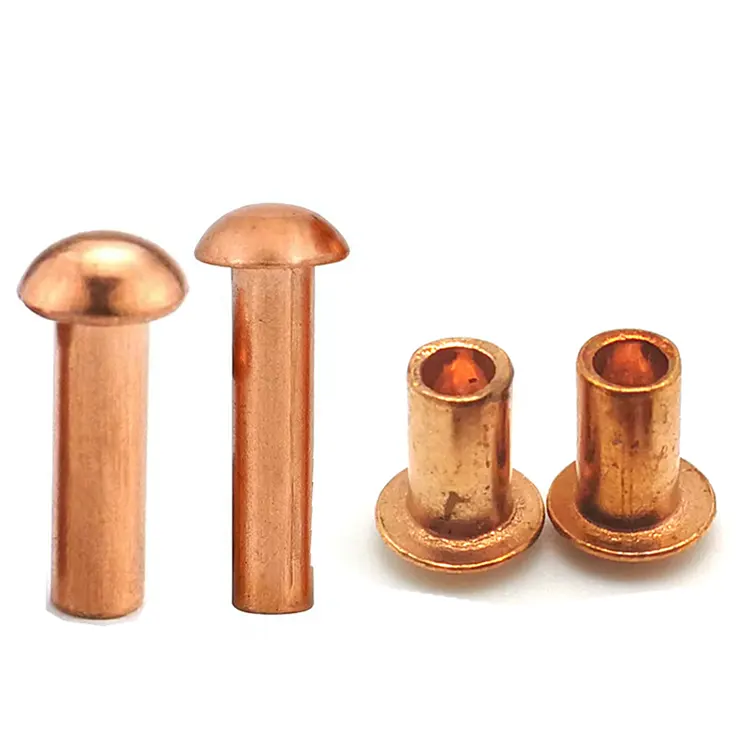
Rivetti a testa di fungo in rame
I rivetti a testa a fungo in rame sono componenti meccanici utilizzati per fissare due o più materiali. Tipicamente hanno una testa a forma di fungo e un'asta piena o semicava all'altra estremità. Durante l'installazione, l'altra estremità viene martellata o colpita con una rivettatrice specializzata, facendola espandere e formare l'altra testa, che poi scatta in posizione. Nuote Metals è specialista in rivetti con testa a fungo in rame. Offriamo una gamma completa di specifiche di rivetti e utilizziamo oltre 40 rivettatrici di varie dimensioni per soddisfare le esigenze dei clienti.
Per saperne di piùInvia richiesta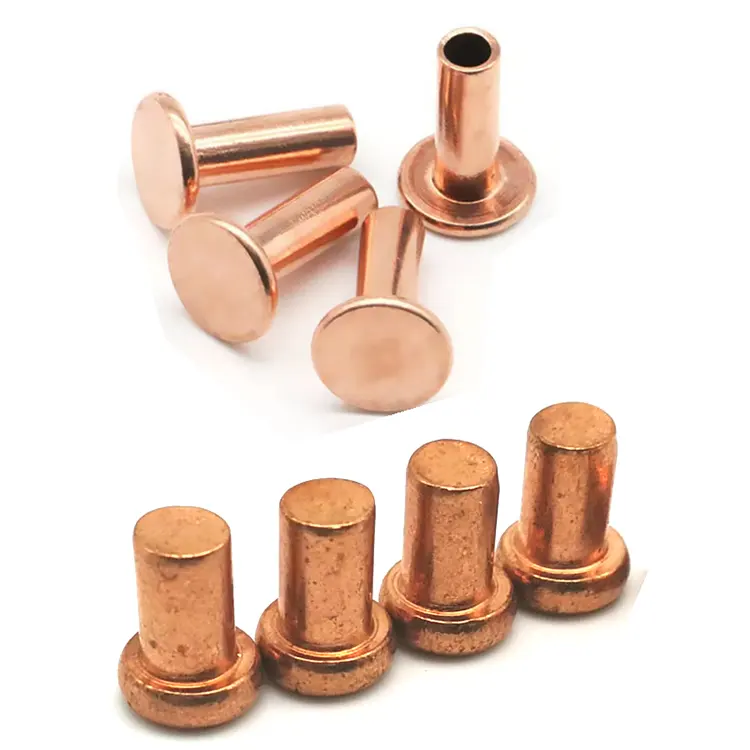
Rivetti a testa piatta in rame
Nuote Metals, con sede a Dongguan, in Cina, è un produttore di rivetti professionale. I nostri rivetti sono di alta qualità e consegna garantita, guadagnando loro una reputazione favorevole tra i clienti nazionali e internazionali. I nostri rivetti a testa piatta in rame sono realizzati in rame di alta qualità, offrendo una superficie liscia e delicata e una sensazione stabile e solida. Il loro design a testa piatta non solo aumenta l'area di contatto ma disperde anche efficacemente la pressione, garantendo una connessione più stabile.
Per saperne di piùInvia richiesta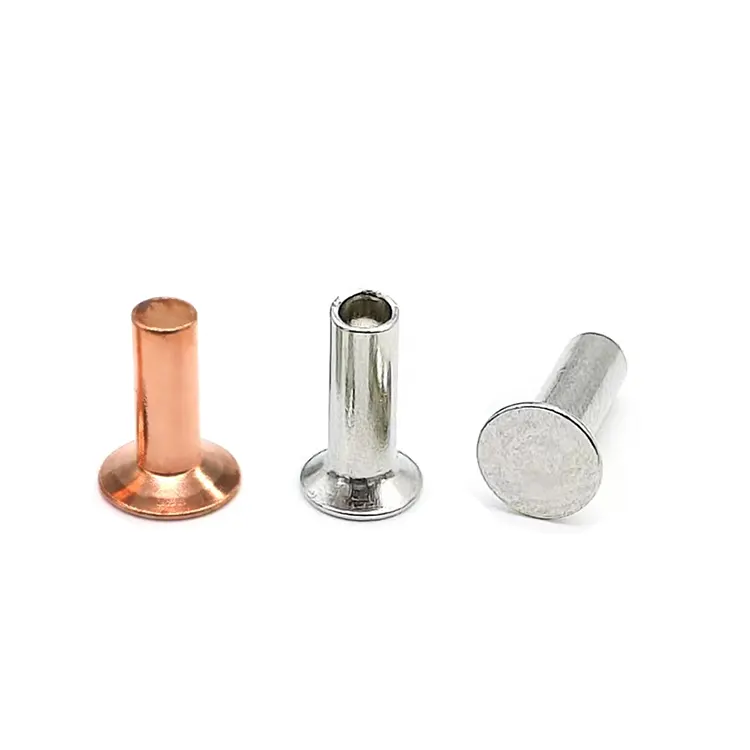
Rivetti a testa svasata in rame
I rivetti a testa svasata in rame prodotti da Nuote Metals in Cina sono elementi di fissaggio metallici comuni utilizzati principalmente nella produzione di macchinari, apparecchiature elettroniche, assemblaggio di mobili e altri settori industriali. Essendo un materiale metallico tradizionale, il rame ha un'eccellente conduttività elettrica e termica e resistenza alla corrosione, che lo rendono popolare in applicazioni specifiche. I rivetti a testa svasata sono elementi di fissaggio realizzati mediante processi di ricalcatura a freddo o forgiatura a caldo. La loro struttura semplice richiede strumenti per la rivettatura per creare una connessione specializzata.
Per saperne di piùInvia richiesta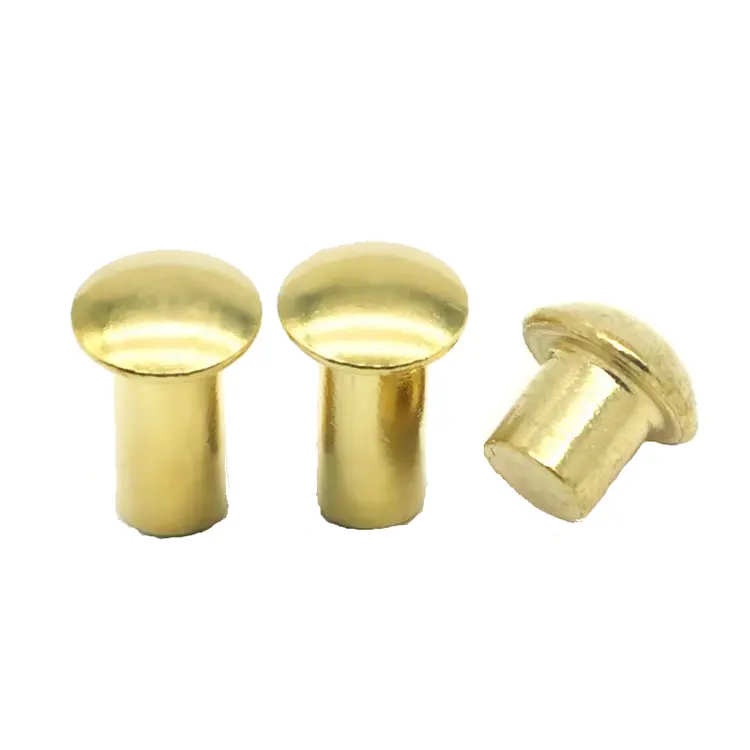
Rivetti a testa tonda in ottone
Nuote Metals è specializzata nella produzione e vendita di rivetti a testa tonda in ottone. Ci troviamo a Dongguan, in Cina, città dal forte sviluppo industriale. I nostri rivetti a testa semirigonfia in rame sono costituiti da un gambo e un cappuccio in lega di ottone. Il design della testa semi-rigonfia fornisce una distribuzione uniforme della pressione, prevenendo danni alla superficie articolare. Sono caratterizzati da conduttività elettrica e resistenza alla corrosione combinate, costruzione semplice, facilità di installazione, elevata affidabilità e lunga durata.
Per saperne di piùInvia richiestaProcesso di produzione di rivetti speciali
La produzione di rivetti speciali coinvolge molteplici collegamenti, tra cui principalmente:
1.Selezione del materiale:Selezionare materiali metallici o leghe adatti in base all'ambiente di utilizzo.
2.Rottatura a freddo o rotta a caldo:Utilizzare la lavorazione a pressione per modellare la forma base del rivetto nel pezzo grezzo di metallo.
3.Tornitura o fresatura:Elabora con precisione i dettagli come la testa e il gambo del rivetto per garantire la precisione dimensionale.
4.Trattamento superficiale:Come zincatura, nichelatura, anodizzazione, ecc. Per migliorare la resistenza alla corrosione o l'estetica.
Vantaggi e limiti dei rivetti speciali
(1) Vantaggi: possono soddisfare esigenze speciali, migliorare l'efficienza dell'assemblaggio e l'affidabilità della connessione e sono adatti a scenari applicativi complessi o ad alta richiesta.
(2) Limitazioni: poiché si tratta di prodotti personalizzati, il costo di produzione è elevato, il ciclo di consegna è relativamente lungo e i clienti sono tenuti a fornire parametri tecnici dettagliati.
Come scegliere i rivetti speciali adatti?
(1)Chiarire le esigenze:Determinare i parametri chiave come l'ambiente operativo del rivetto, le condizioni di stress e i requisiti di resistenza alla corrosione.
(2)Abbinamento materiali:Seleziona il materiale appropriato in base alle esigenze effettive per evitare una progettazione eccessiva che porta a un aumento dei costi.
(3)Comunicare con i fornitori:Fornire disegni tecnici dettagliati o campioni per garantire che i rivetti speciali prodotti soddisfino le aspettative.
Quali sono le principali applicazioni dei rivetti speciali?
(1)Aerospaziale: Gli aerei, i razzi e altre apparecchiature hanno requisiti estremamente elevati in termini di peso, robustezza e resistenza alle alte temperature degli elementi di fissaggio. I rivetti speciali possono essere ottimizzati in base alle specifiche esigenze.
(2)Produzione automobilistica:Alcuni modelli speciali o veicoli ad alte prestazioni possono richiedere rivetti speciali per soddisfare le esigenze di connessioni leggere o ad alta resistenza.
(3)Apparecchiature elettroniche:Strumenti di precisione o piccole apparecchiature elettroniche possono richiedere micro rivetti speciali per garantire la stabilità e la compattezza della connessione.
(4)Industria edile:Alcuni edifici con struttura speciale o progetti di decorazione possono utilizzare rivetti speciali per soddisfare requisiti di installazione specifici.
Status di mercato dei rivetti speciali
Con il progresso della tecnologia industriale, sempre più industrie hanno iniziato a utilizzare rivetti speciali per ottimizzare la progettazione del prodotto. Attualmente, i produttori di rivetti speciali sono concentrati principalmente nelle regioni del delta del fiume Yangtze e del delta del fiume Pearl in Cina e possono fornire una varietà di servizi personalizzati. A causa dell’elevato prezzo unitario dei rivetti speciali, la dimensione del mercato è relativamente piccola, ma la domanda nel campo della produzione di fascia alta continua a crescere.
Tendenze di sviluppo futuro
(1)Design leggero: Con il miglioramento dei requisiti di risparmio energetico e di protezione ambientale, i rivetti speciali realizzati con materiali leggeri diventeranno più popolari.
(2)Produzione intelligente: Le attrezzature automatizzate e la gestione digitale miglioreranno ulteriormente l'efficienza produttiva e la stabilità della qualità dei rivetti speciali.
(3)Applicazione più ampia: Industrie emergenti come quella delle nuove energie e della robotica possono guidare la crescita della domanda di rivetti speciali.
In sintesi, i rivetti speciali sono elementi di fissaggio altamente personalizzati in grado di soddisfare esigenze particolari che i rivetti standard non possono soddisfare. Sebbene il suo costo di produzione sia relativamente elevato, svolge un ruolo insostituibile in settori come quello aerospaziale, automobilistico ed elettronico. In futuro, con il progresso della tecnologia di produzione, si prevede che l'ambito di applicazione dei rivetti speciali si espanderà ulteriormente.



X
Utilizziamo i cookie per offrirti una migliore esperienza di navigazione, analizzare il traffico del sito e personalizzare i contenuti. Utilizzando questo sito, accetti il nostro utilizzo dei cookie.
politica sulla riservatezza