Parti di timbratura
Prodotti
- View as
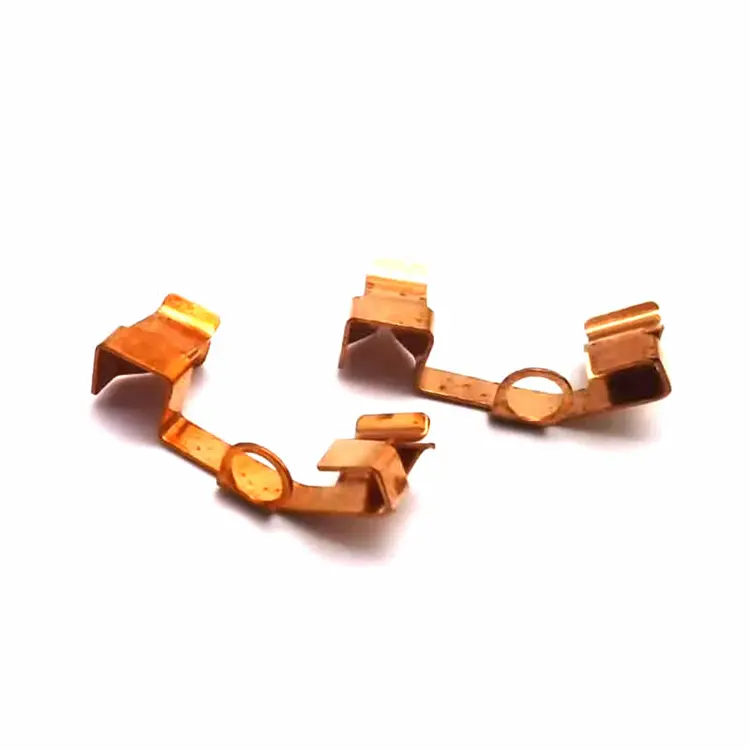
Parti per stampaggio per presa
Parti per stampaggio per presa è un produttore leader di parti per stampaggio progressivo in metallo, le parti per stampaggio sono ampiamente utilizzate in interruttori, relè, termostati, contattori, sezionatori, controller, timer e altri apparecchi a bassa tensione.
Per saperne di piùInvia richiesta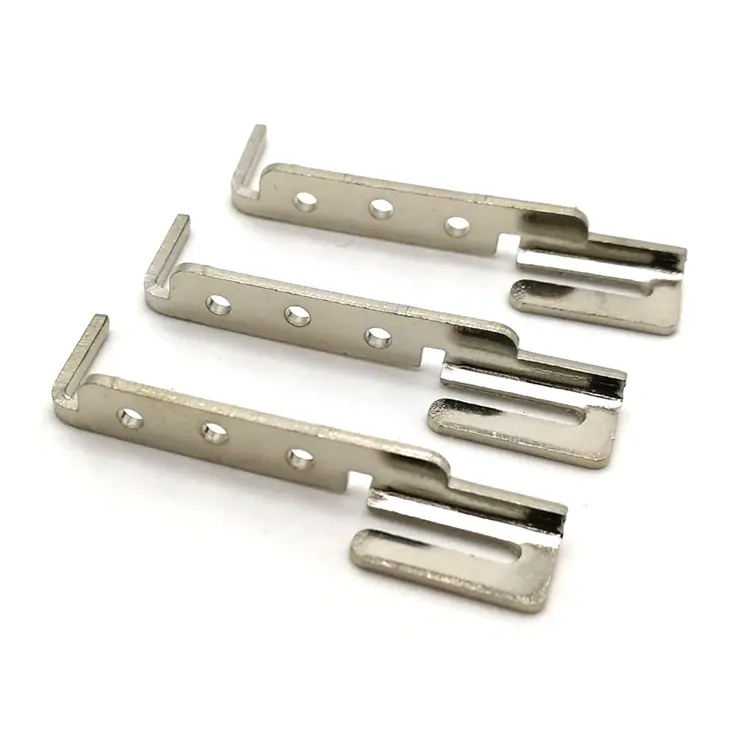
Parti stampate in metallo
Nuote Metals è specializzata nella produzione interna di particolari metallici stampati. Disponiamo di un team interno di esperti per la progettazione di utensili e stampi, la costruzione, le operazioni di stampa esemplari e l'assemblaggio. Abbiamo più di 10 anni di esperienza lavorativa nelle tecniche di stampaggio dei metalli, inviaci il tuo disegno per un preventivo veloce.
Per saperne di piùInvia richiesta
Parti per stampaggio metalli
Nuote Metals è un produttore leader di parti per stampaggio di metalli di componenti personalizzati da una varietà di materiali di base, come alluminio, ottone, acciaio inossidabile, rame al berillio, acciaio ecc. Offriamo un'ampia gamma di funzionalità di stampaggio di metalli di precisione, tra cui: tranciatura, piegatura, coniatura, formatura, perforazione, ecc.
Per saperne di piùInvia richiesta
Parti metalliche per stampaggio di precisione
Nuote Metals può utilizzare una varietà di metalli per produrre parti metalliche stampate di precisione. Tuttavia, alcuni processi e tipi di metalli offrono prestazioni migliori nel processo di stampaggio di precisione dei metalli o si adattano meglio a un caso d'uso particolare.
Per saperne di piùInvia richiesta
Stampaggio di metalli di precisione
Nuote Metals è un produttore cinese di componenti di precisione per stampaggio di metalli: parti metalliche di precisione prodotte mediante stampaggio progressivo, composto e a trasferimento. Con presse da 25 a 200 tonnellate, trattiamo materiali tra cui acciaio al carbonio, acciaio inossidabile, alluminio, ottone e rame. Le funzionalità includono tranciatura, perforazione, piegatura, trafilatura, coniatura e goffratura. Certificato ISO 9001:2015. Revisione DFM gratuita e campioni disponibili. Contattaci oggi.
Per saperne di piùInvia richiestaSome important factors to keep in mind:
Plasticity and Grain Direction – Plasticity is a measure of the permanent deformation a material undergoes when subjected to stress. Metals with greater plasticity are more susceptible to forming. Grain direction is important in high-strength materials, such as tempered metals and stainless steel. If bending occurs along a high-strength grain, cracking is more likely.
Bending Deformation/Expansion: Bending deformation causes expansion of up to 1/3 of the material thickness. This deformation/expansion becomes more severe as the material thickness increases and the bend radius decreases. Web and "mismatch" cutting: This involves making very slight indentations or protrusions in the part, typically about 0.1mm deep. This feature is not required when using composite or transfer tools, but it is essential when using progressive dies.
Advantages and Limitations of Stamping
Advantages:
- Low cost: In mass production, the cost per part can be reduced to one-third of that of a cast part;
- High consistency: Dimensional tolerances can be controlled within ±0.1mm;
- High material utilization: Through nesting optimization, the utilization rate can reach over 85%.
Limitations:
- Long mold development cycle and high initial investment, making it unsuitable for large-scale production;
- Complex three-dimensional structures (such as hollow crankshafts) require integration with other processes.
Core Application Areas of Stamping Parts
1. Automotive Industry: Accounts for over 60% of total stamping part demand, including body panels and chassis components;
2. Electronics and Electrical: For example, metal mobile phone frames and heat sinks, thicknesses can be as thin as 0.2mm;
3. Home Appliance Industry: Refrigerator panels, air conditioner housings, etc., where surface aesthetics can be enhanced through electroplating or spraying.



X
Utilizziamo i cookie per offrirti una migliore esperienza di navigazione, analizzare il traffico del sito e personalizzare i contenuti. Utilizzando questo sito, accetti il nostro utilizzo dei cookie.
politica sulla riservatezza