
Occhielli
Prodotti
- View as

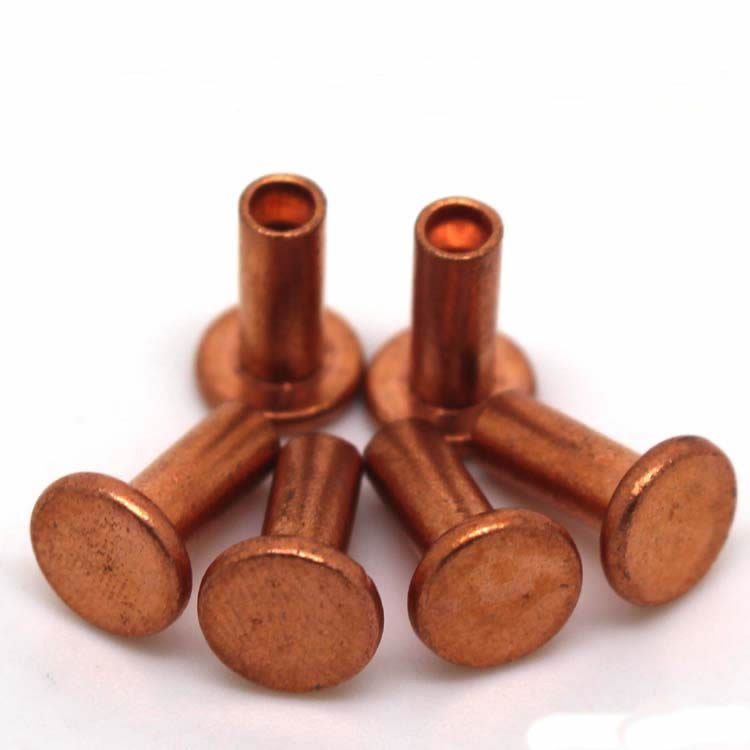
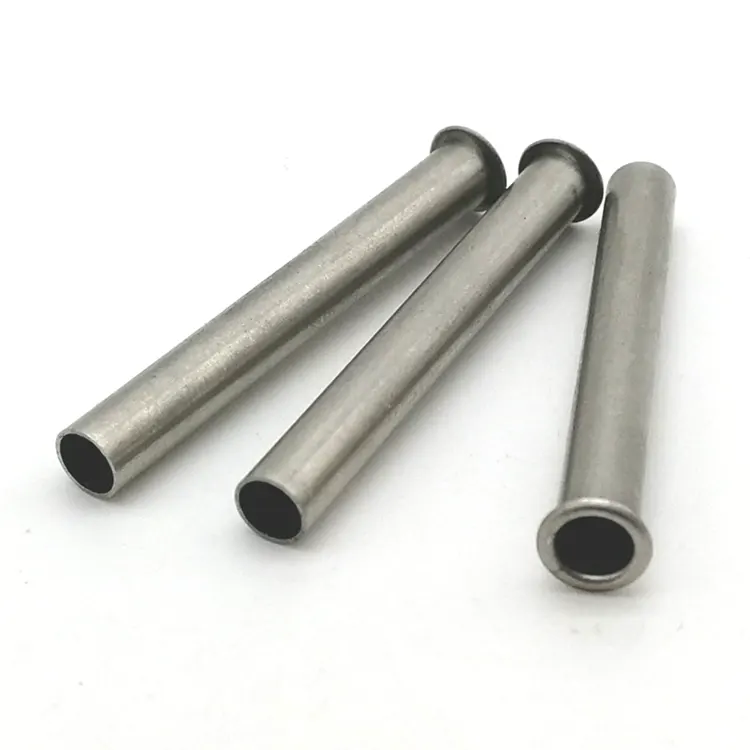
Occhielli per rivetti
Gli occhielli per rivetti sono piccoli elementi di fissaggio a forma di anello. È progettato per essere inserito in un foro e quindi il suo bordo viene ripiegato per tenere insieme i materiali. Nuote Metals a Dongguan è una fabbrica affidabile per realizzare queste parti utili.
Per saperne di piùInvia richiesta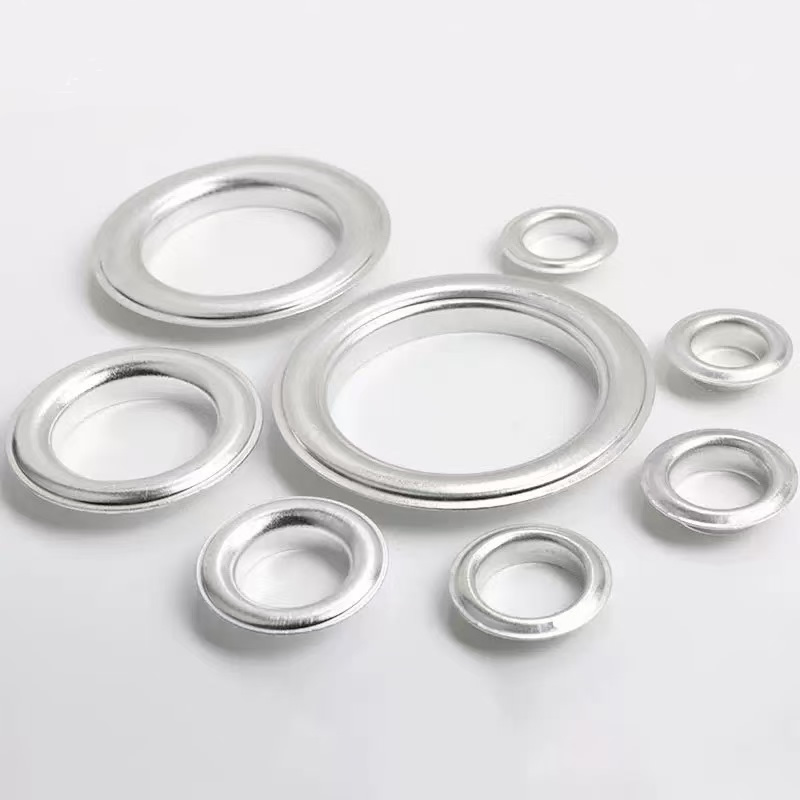
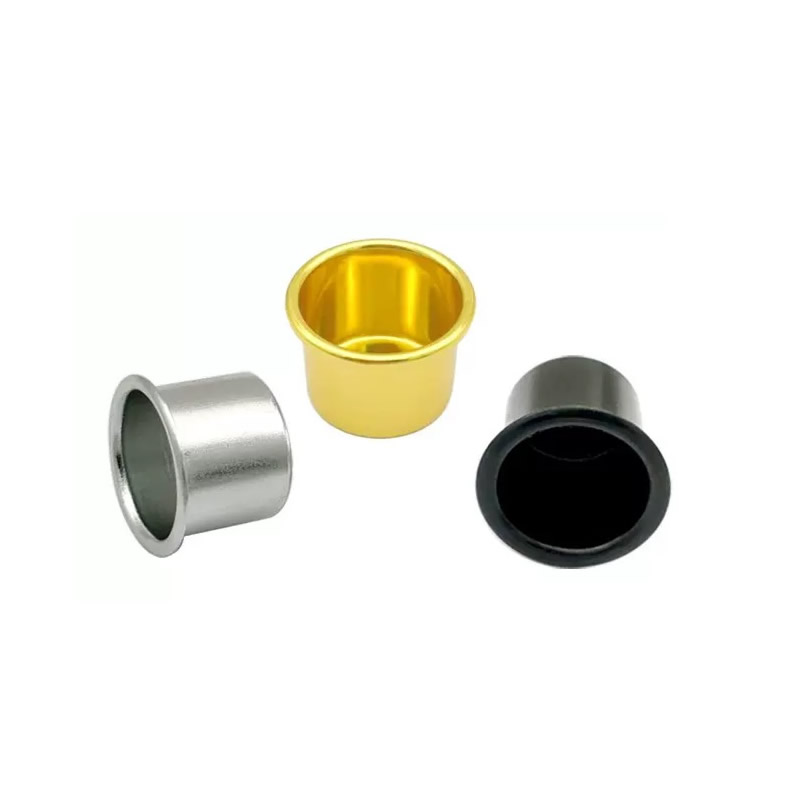
Occhielli in alluminio
Qui nel nostro stabilimento di Dongguan, Nuote Metals produce occhielli in alluminio di qualità. Da molti anni ci concentriamo sulla produzione di occhielli in alluminio. Il nostro alluminio è accuratamente selezionato per essere leggero e resistente. Questi occhielli in alluminio non arrugginiscono e mantengono la loro finitura brillante. Offriamo occhielli in alluminio di varie dimensioni. Alcuni sono piccoli, altri sono piuttosto grandi. Ogni occhiello in alluminio viene esaminato dal nostro staff. Controllano la forma e la superficie. I clienti spesso scelgono i nostri occhielli in alluminio. Li trovano affidabili e di bell'aspetto. Forniamo campioni rapidi per coloro che vogliono provarli.
Per saperne di piùInvia richiesta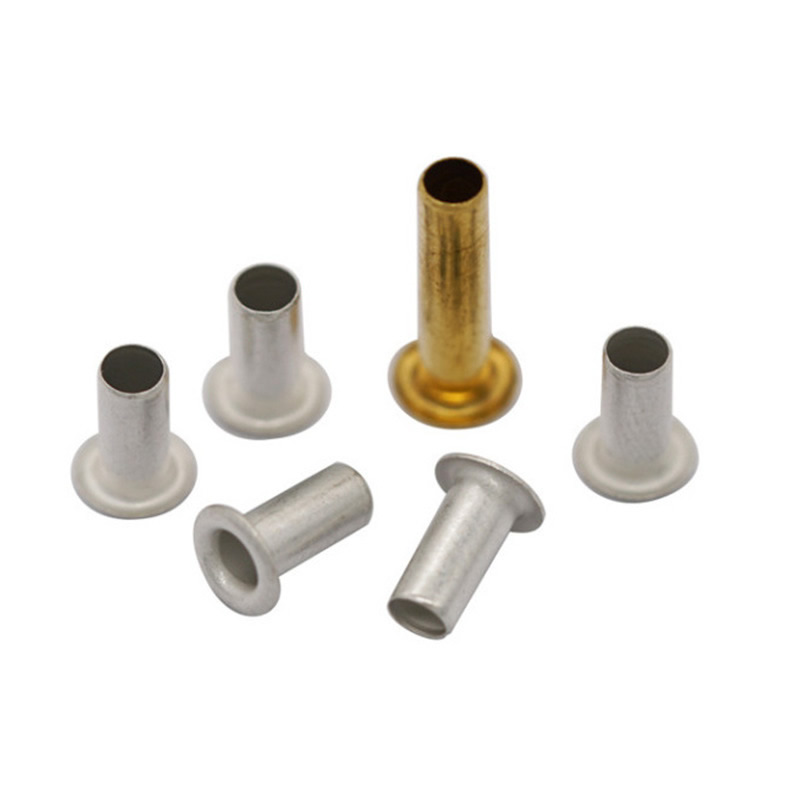
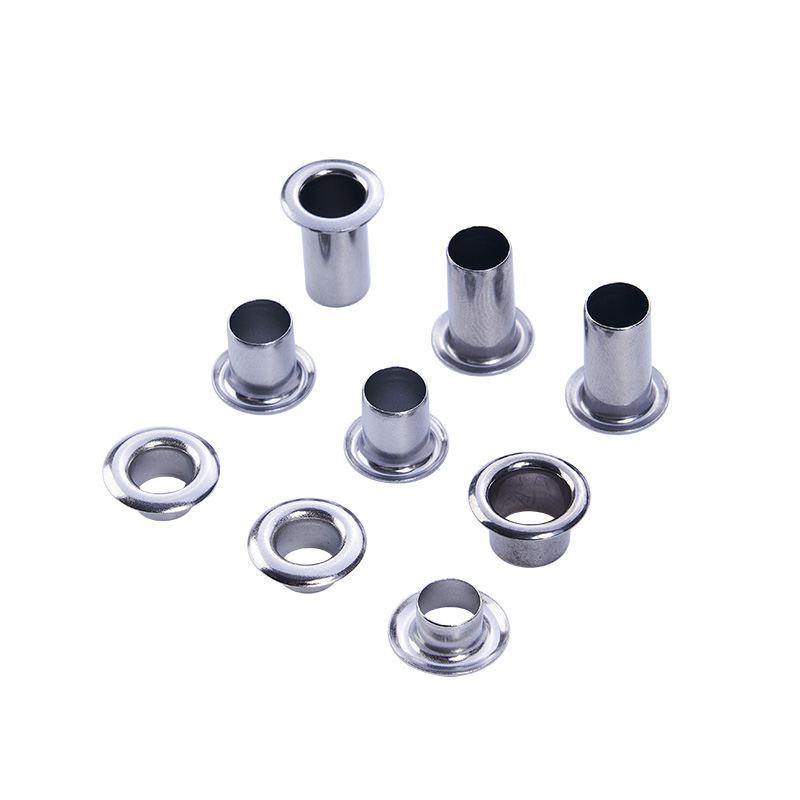
Occhielli PCB
Gli occhielli per PCB sono piccoli anelli metallici progettati per essere installati su un circuito. Potrebbe sembrare semplice, ma svolge un ruolo importante. Le persone li usano per creare fori forti e affidabili in un PCB. Questo piccolo componente aiuta a garantire che le connessioni non vengano danneggiate durante il montaggio o l'uso. Nuote Metals è felice di aiutarti a saperne di più sugli occhielli per PCB.
Per saperne di piùInvia richiesta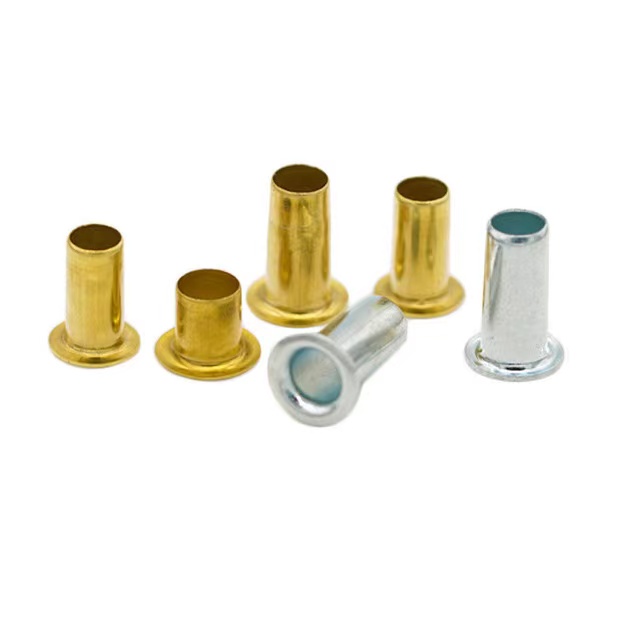
Anello di tenuta in metallo
Siamo Nuote Metals di Dongguan, Cina. La nostra fabbrica produce molti tipi di anelli di tenuta in metallo per usi diversi. Produciamo prodotti con anelli di tenuta in metallo da oltre dieci anni. Utilizziamo metalli diversi per realizzare questi articoli con occhiello in metallo. Ottone, acciaio e alluminio sono materiali comuni. Realizziamo passacavi in metallo di tutte le dimensioni. Quelli piccoli per le scarpe, quelli grandi per i teloni. Ogni anello di tenuta in metallo viene controllato dai nostri lavoratori prima dell'imballaggio. Testano ogni pezzo per assicurarsi che funzioni bene. Molti clienti acquistano regolarmente i nostri prodotti con anelli di tenuta in metallo. A loro piace la nostra buona qualità e la nostra fornitura affidabile.
Per saperne di piùInvia richiesta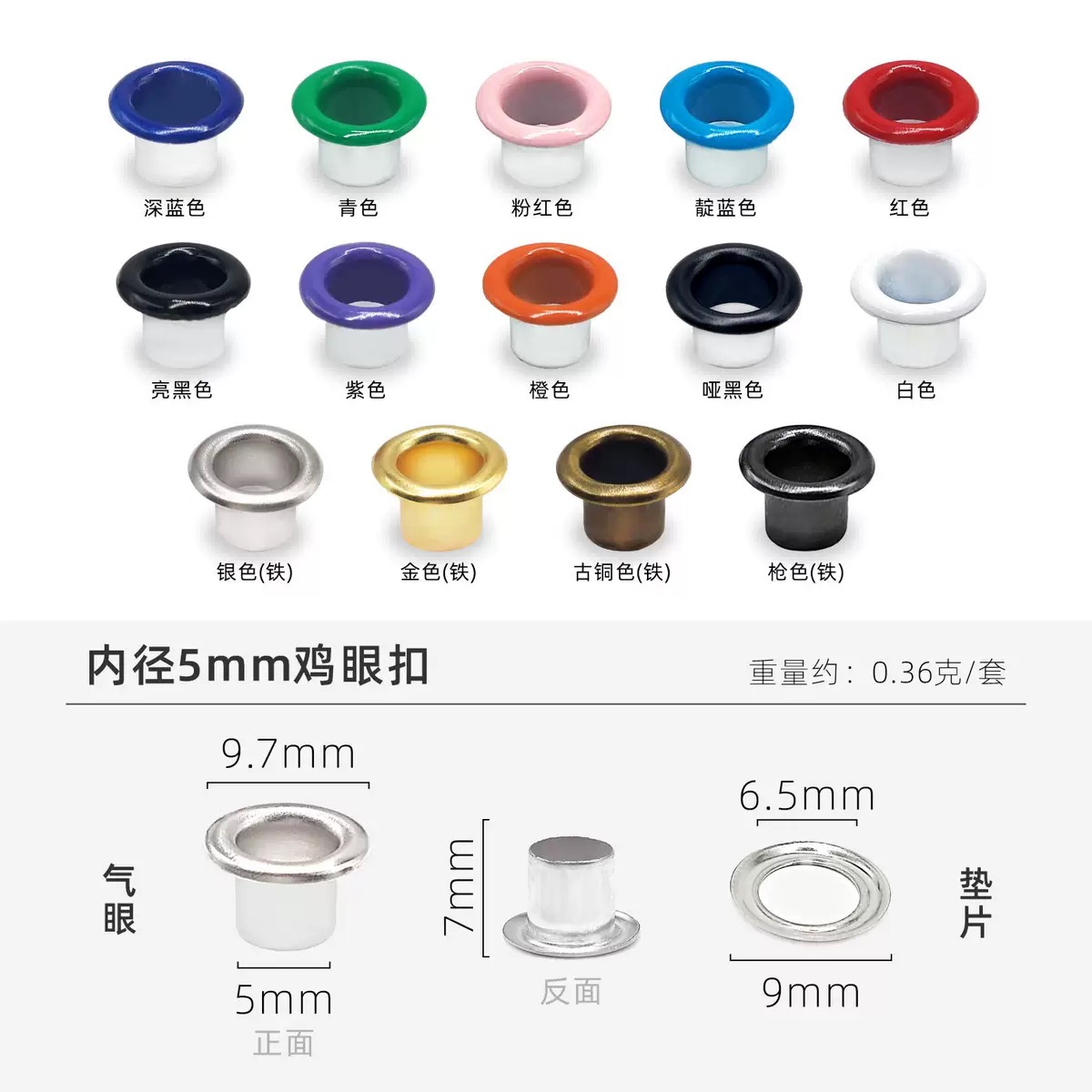
Occhielli per scarpe
Produciamo occhielli per scarpe nella nostra fabbrica a Dongguan, in Cina. Gli occhielli sono piccoli anelli di metallo e puoi vederli sulle scarpe per i lacci. sono anche chiamati occhielli. Li rendiamo resistenti in modo che non si rompano quando stringi i lacci. I nostri occhielli per scarpe sono realizzati con diversi metalli, come ottone, alluminio e acciaio inossidabile. E possono essere realizzati con colori diversi per abbinarli a tutti i tipi di scarpe.
Per saperne di piùInvia richiesta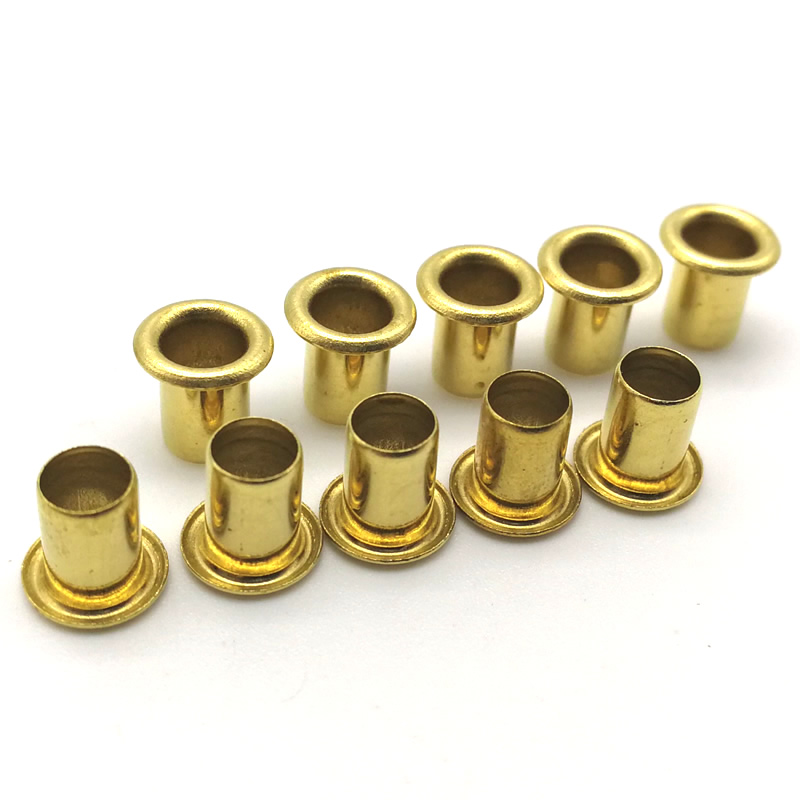
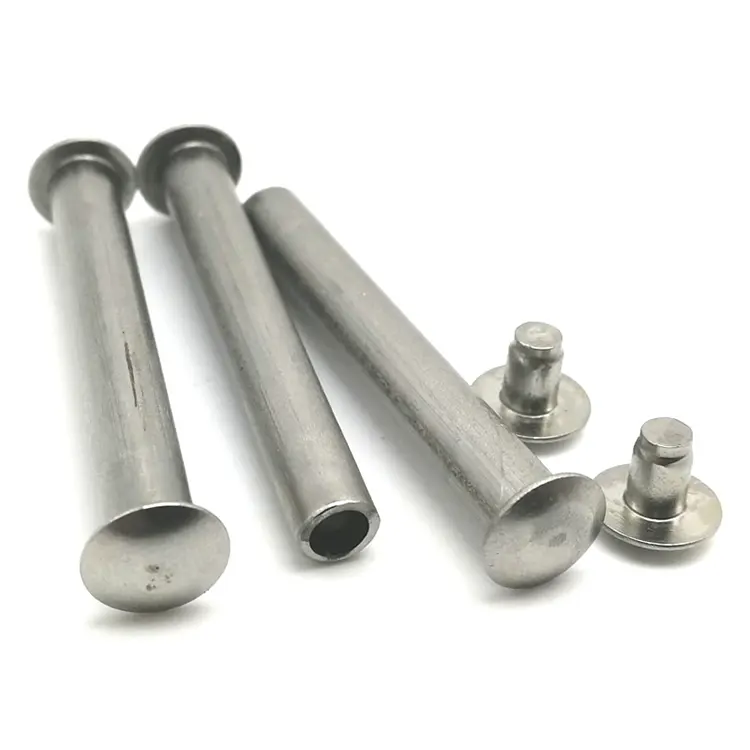
Rivetto con occhiello
Un rivetto ad occhiello è un dispositivo di fissaggio piccolo ma utile. Ha la forma di un tubo corto ed è spesso realizzato in ottone o acciaio. Una volta installato, la coda del rivetto viene svasata per unire saldamente i materiali. Molte aziende in tutto il mondo producono questi componenti affidabili. Nuote Metals con sede a Dongguan, Cina, è un noto produttore di rivetti ad occhiello di qualità.
Per saperne di piùInvia richiestaQuali sono le principali applicazioni degli occhielli?
I rivetti ad occhiello sono ampiamente utilizzati nei settori edile, automobilistico, marittimo, aeronautico ed elettronico.
Nel settore edile, i rivetti ad occhiello vengono utilizzati per collegare vari componenti metallici, come travi e colonne in acciaio.
Nei settori automobilistico, marittimo e aeronautico, i rivetti ad occhiello vengono utilizzati per collegare vari materiali, come le leghe di alluminio e le leghe di titanio.
Nell'industria elettronica, i rivetti ad occhiello vengono utilizzati per collegare vari materiali metallici e non metallici, come piastre metalliche e fogli di plastica.
Quali strumenti vengono utilizzati per rivettare gli occhielli?
I rivetti ad occhiello possono essere rivettati utilizzando pinze rivettatrici manuali o elettriche. Le pinze per rivettatura manuale sono uno strumento comune e generalmente sono adatte per rivettare piccoli occhielli. Le pinze rivettatrici elettriche sono adatte per rivettare occhielli di grandi dimensioni e grandi quantità.
Quali preparativi sono necessari prima della rivettatura?
La preparazione prima della rivettatura comprende la pulizia della superficie del materiale da rivettare e la selezione del diametro appropriato del foro del rivetto. La pulizia della superficie del materiale da rivettare rimuove lo sporco superficiale e il grasso, garantendo una giunzione sicura. La selezione del diametro appropriato del foro del rivetto può prevenire rotture o allentamenti durante la rivettatura.
Quali precauzioni dovrebbero essere prese durante la rivettatura?
1. La posizione di installazione del rivetto ad occhiello deve coincidere con la linea centrale del foro del rivetto.
2. Il gambo degli occhielli deve essere perpendicolare alla superficie del materiale da rivettare durante la rivettatura.
3. La testa dell'occhiello deve rimanere orizzontalmente stabile.
4. La profondità del foro dell'occhiello deve essere uguale alla somma della lunghezza del gambo del rivetto e della lunghezza della porzione di rivettatura a pressione dell'occhiello.
5. La forza di rivettatura deve essere adeguata, né troppo alta né troppo bassa, a seconda dello spessore e delle proprietà del materiale.
6. Dopo la rivettatura, è necessario controllare la qualità degli occhielli per individuare eventuali segni di occhielli rotti o corpi estranei.
Conclusione
I rivetti ad occhiello sono un rivetto versatile che può essere ampiamente utilizzato per collegare varie lamiere e materiali diversi. Prima della rivettatura è necessaria un'accurata preparazione, inclusa la selezione del diametro appropriato del foro del rivetto e la pulizia della superficie del materiale da rivettare. Durante la rivettatura è necessario considerare attentamente fattori quali la forza di rivettatura e la profondità del foro per garantire una connessione di alta qualità.



X
Utilizziamo i cookie per offrirti una migliore esperienza di navigazione, analizzare il traffico del sito e personalizzare i contenuti. Utilizzando questo sito, accetti il nostro utilizzo dei cookie.
politica sulla riservatezza