Rivetti
Prodotti
- View as
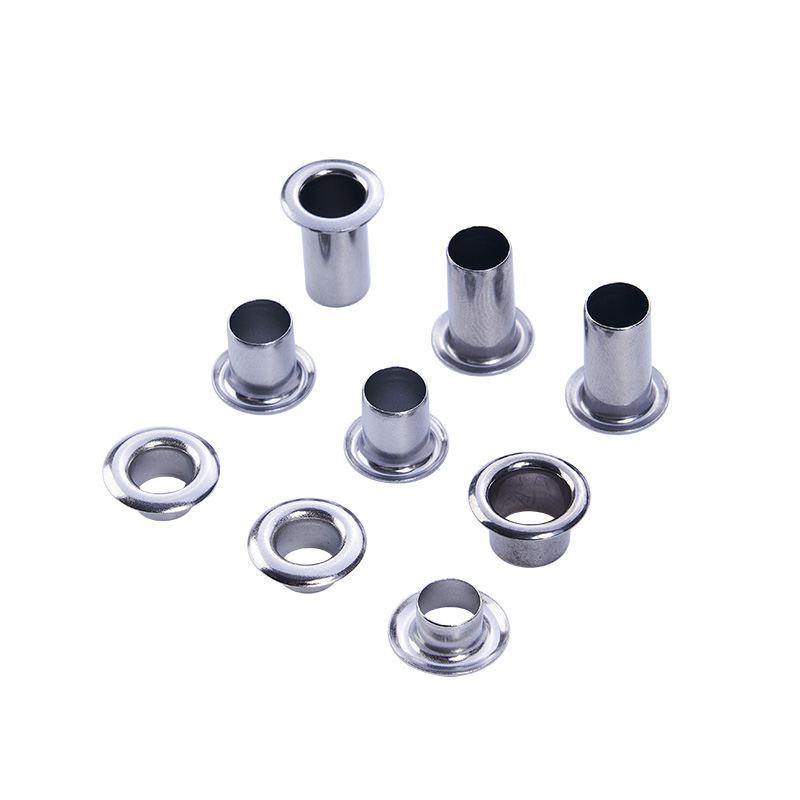
Rivetti semicavi
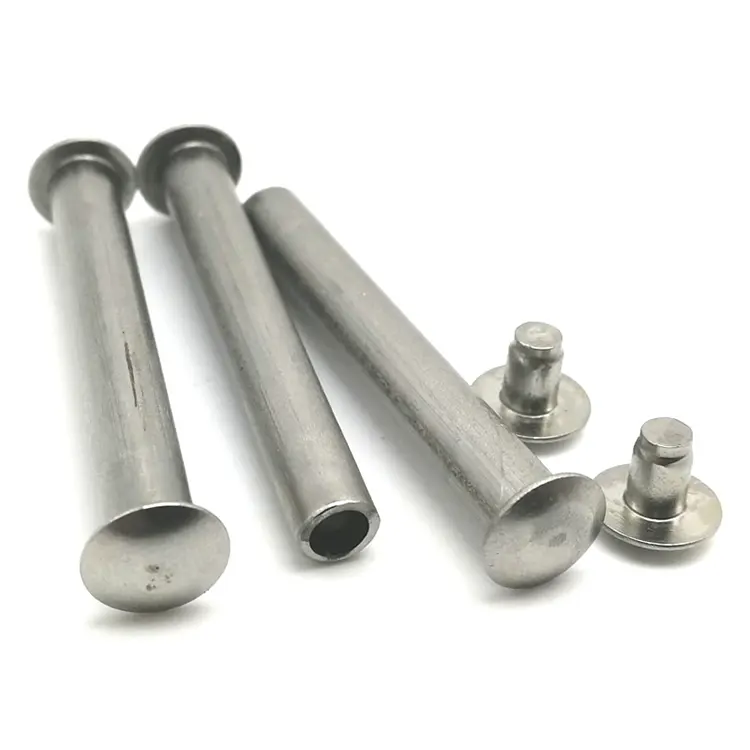
Nuote Metals si trova a Dongguan, in Cina, siamo specializzati nella produzione di una varietà di rivetti, inclusi rivetti solidi, rivetti semitubolari e rivetti tubolari completi. I rivetti semicavi sono un comune elemento di fissaggio industriale, caratterizzato da una struttura ad anima cava con testa e gambo semi-chiusi. Questo design consente loro di combinare leggerezza ed elevata resistenza, rendendoli ampiamente utilizzati in applicazioni che richiedono una rivettatura efficiente. Rispetto ai rivetti pieni, i rivetti semicavi riducono il peso utilizzando meno materiale, sfruttando al tempo stesso la deformazione plastica durante la rivettatura per ottenere una connessione sicura, rendendoli particolarmente adatti per applicazioni sensibili al peso.
Per saperne di piùInvia richiesta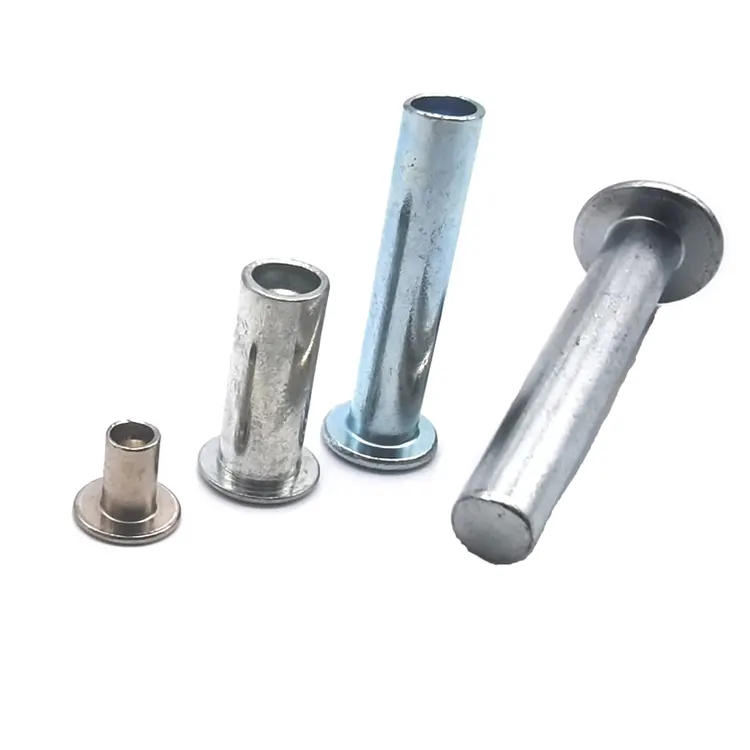
Rivetti a testa piatta
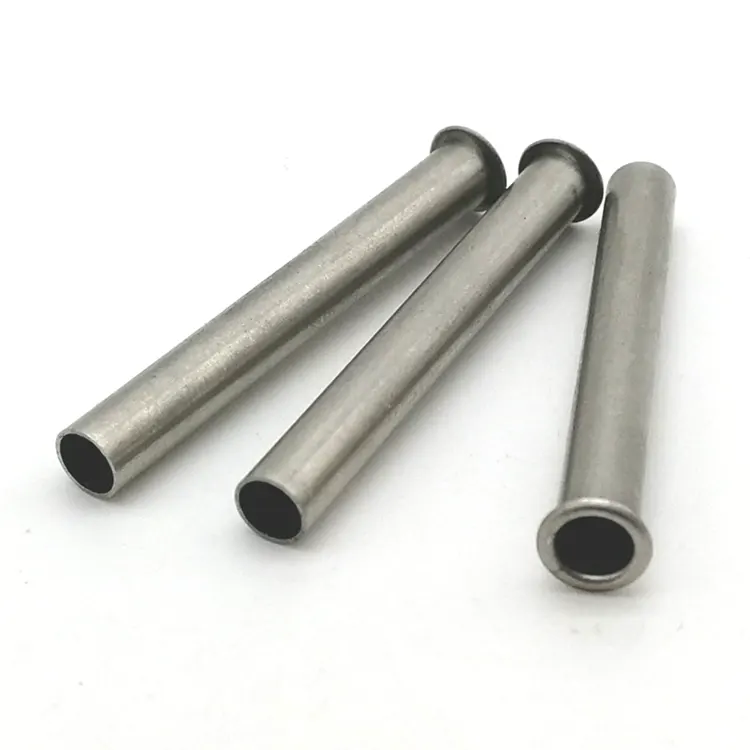
Nuote Metals è specializzata nella produzione di rivetti, producendo una varietà di materiali come acciaio inossidabile, ottone, alluminio, acciaio al carbonio e rame. I rivetti sono un elemento di fissaggio comune utilizzato in varie strutture e assemblaggi sia nella produzione industriale che nella vita di tutti i giorni. I rivetti a testa piatta sono il prodotto preferito da molti settori grazie alle loro prestazioni e adattabilità uniche.
Per saperne di piùInvia richiesta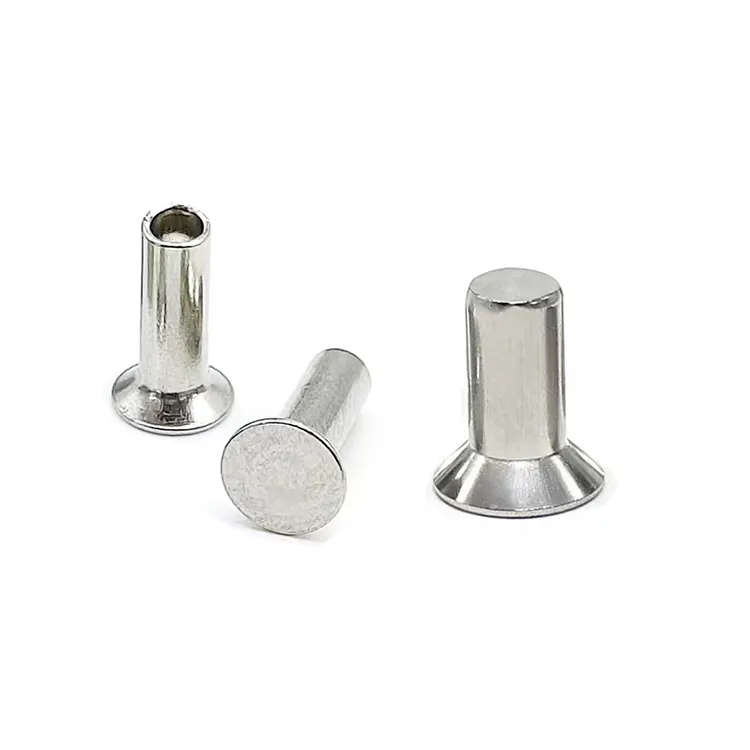
Rivetti a testa svasata
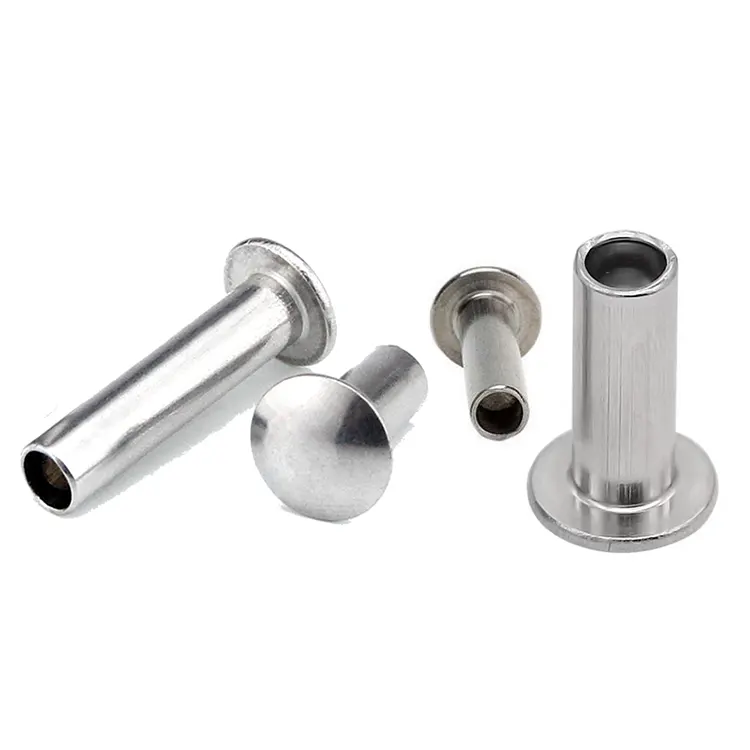
Nuote Metals produce rivetti a testa svasata in design pieno, semitubolare e tubolare completo, caratterizzati da una testa conica che si trova completamente a filo con la superficie del materiale. Disponibili con angoli della testa di 90° e 100°, diametri dello stelo da 1,5 a 8,0 mm, cinque famiglie di materiali e lunghezze personalizzate. Qualità certificata ISO, tracciabilità completa e campioni gratuiti disponibili: contattaci per iniziare.
Per saperne di piùInvia richiesta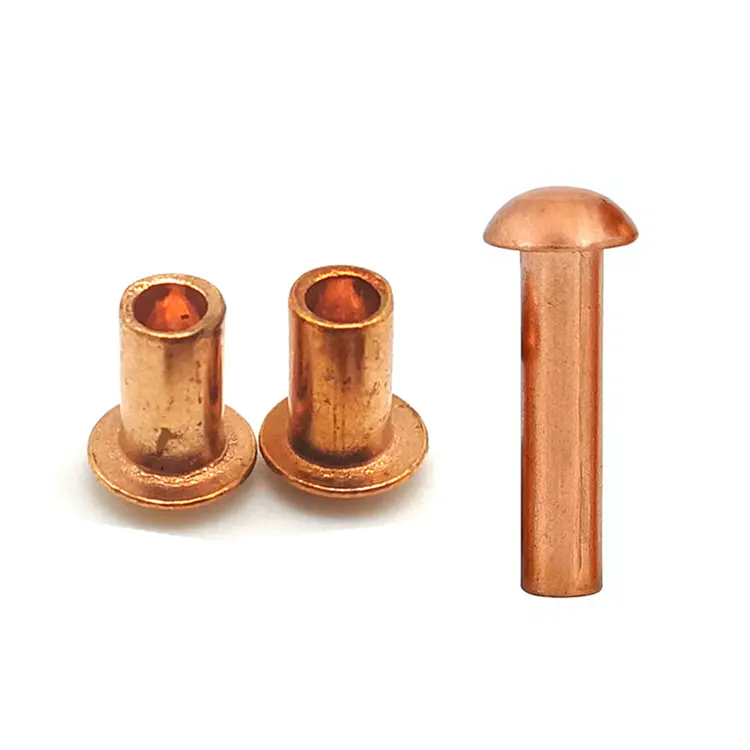
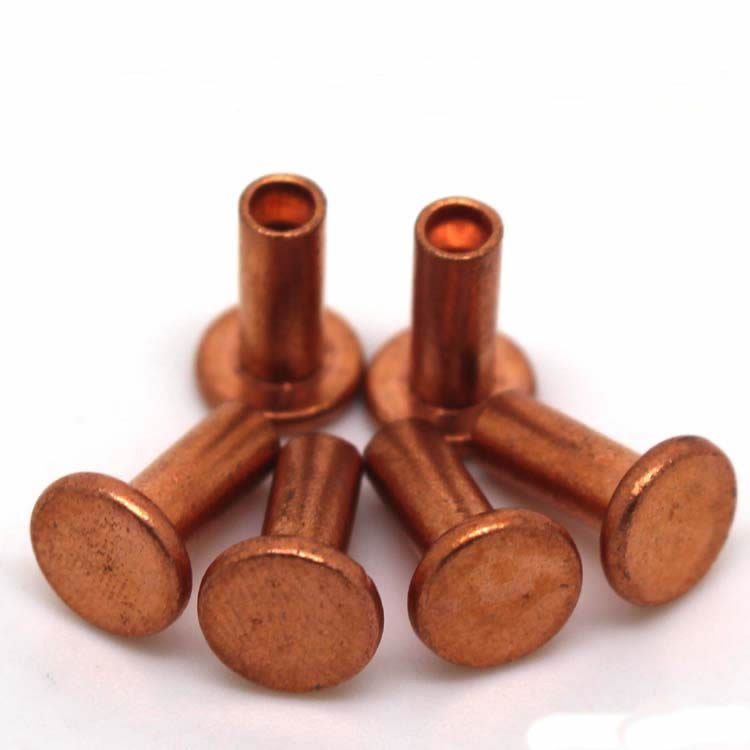
Rivetti a testa tonda in rame
I rivetti a testa tonda in rame sono un tipo di elemento di fissaggio ampiamente utilizzato nella produzione industriale, nella produzione di mobili e in altri campi. Il rame, noto anche come rame privo di ossigeno, è una lega di rame di elevata purezza caratterizzata da un'eccellente conduttività elettrica e termica, nonché da una buona resistenza alla corrosione e duttilità. Queste proprietà garantiscono che i rivetti a testa tonda in rame mantengano prestazioni stabili in vari ambienti, prolungandone la durata. Inoltre, il rame possiede alcune proprietà antibatteriche, che possono ridurre il rischio di crescita batterica nei prodotti che entrano frequentemente in contatto con il corpo umano.
Per saperne di piùInvia richiesta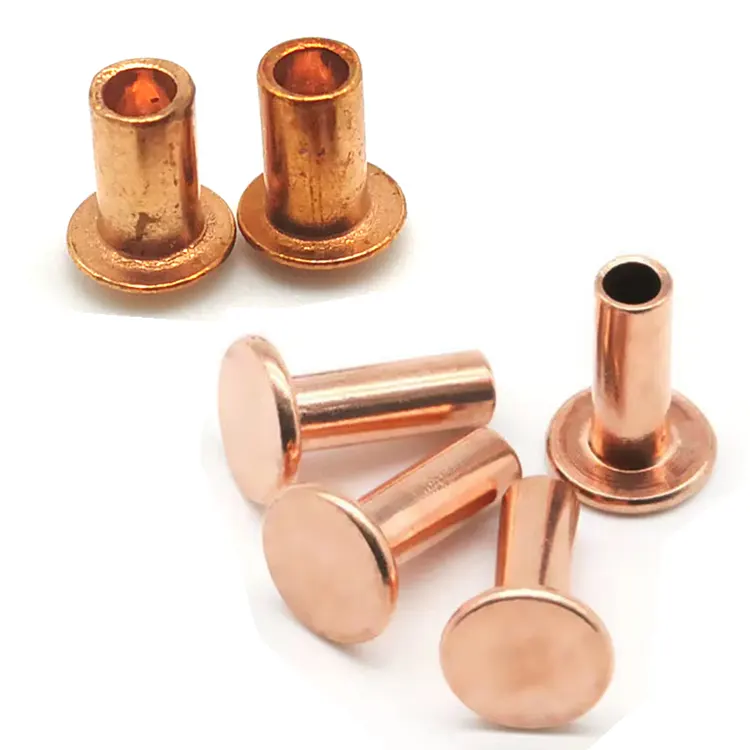
Rivetti in rame
Nuote Metals è un produttore di rivetti professionale con sede a Dongguan, in Cina. I rivetti in rame che produciamo sono realizzati in rame C1100. I rivetti in rame sono un elemento di fissaggio comunemente usato. Il rame ha un'eccellente conduttività termica, che lo rende ampiamente utilizzato nelle applicazioni elettriche e di dissipazione del calore. Inoltre, i rivetti in rame offrono eccellente lavorabilità e plasticità, consentendone la produzione in una varietà di forme e dimensioni.
Per saperne di piùInvia richiesta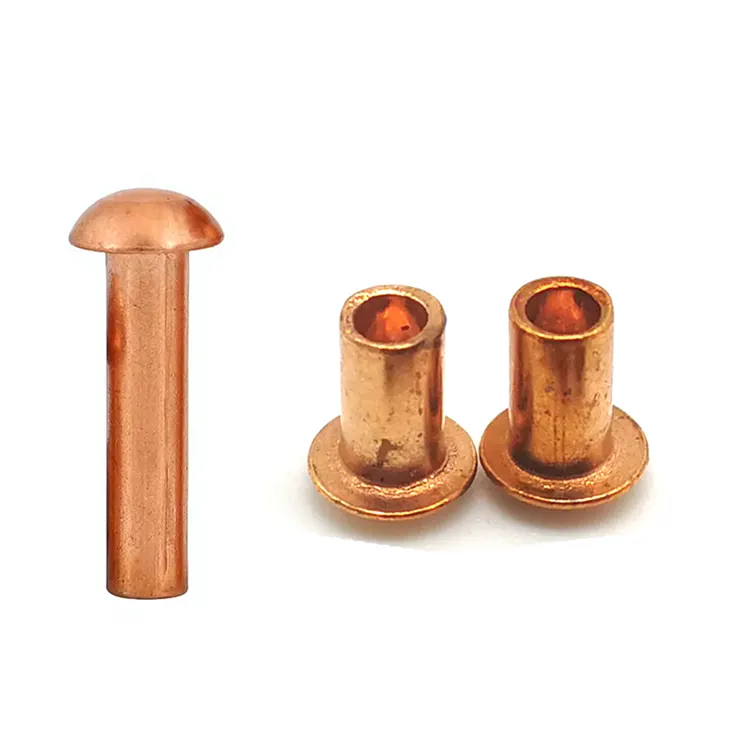
Rivetti a testa cilindrica in rame
I rivetti a testa cilindrica in rame sono di elevata purezza e offrono un'eccellente conduttività, rendendoli adatti per applicazioni che richiedono un'elevata conduttività. Nuote Metals è specializzata nella produzione di rivetti a testa bombata in rame. Utilizziamo qualità ad alto contenuto di rame, come C1100, ma possiamo anche produrre qualità personalizzate. I nostri rivetti in rame subiscono uno speciale trattamento superficiale per resistere all'ossidazione e resistere a un test in nebbia salina di 48 ore.
Per saperne di piùInvia richiestaQuali sono i vantaggi dei rivetti rispetto ad altri elementi di fissaggio?
1. Facilità di installazione
I rivetti sono veloci da installare e persino completamente automatizzati per applicazioni con volumi elevati, risultando in un processo operativo semplice ed efficiente.
2. Affidabilità della connessione
Il processo di rivettatura è standardizzato, con un rigoroso controllo di qualità, che si traduce in connessioni altamente stabili. L'ispezione visiva consente una rapida verifica della qualità della connessione.
3. Resistenza alle vibrazioni e agli urti
I rivetti si collegano tramite deformazione o adattamento con interferenza, fornendo una forte forza di serraggio e un'eccellente resistenza alle vibrazioni, in grado di resistere a vibrazioni e urti.
4. Basso costo
I rivetti sono facili da installare e possono essere completamente automatizzati, con un notevole risparmio sui costi di manodopera.
Quali sono i vantaggi e gli svantaggi dei rivetti realizzati con materiali diversi?
Rivetti in alluminio
Vantaggi: leggero, riduce il peso complessivo del prodotto, basso costo, adatto per applicazioni civili generali.
Svantaggi: bassa resistenza alla trazione e al taglio, inadatto per pezzi ad alta resistenza, soggetto a corrosione elettrochimica a contatto con metalli come l'acciaio inossidabile.
Rivetti in acciaio inossidabile
Vantaggi: forte resistenza alla corrosione, elevata durezza, adatta per pezzi ad alta resistenza (come l'attrezzatura marina)
Svantaggi: costo più elevato, in genere più costoso dei rivetti in alluminio con le stesse specifiche.
Rivetti in ottone e rame
Vantaggi: eccellente conduttività (come il collegamento di componenti elettronici), buona resistenza alla corrosione.
Svantaggi: costo più elevato, più difficile da elaborare.
Rivetti in acciaio
Vantaggi: elevata durezza, elevata affidabilità della connessione e ampia applicabilità.
Svantaggi: rispetto ad altri materiali, i rivetti in ferro sono più soggetti alla ruggine.
Quali sono le principali applicazioni dei rivetti?
I rivetti hanno una vasta gamma di usi, da piccoli oggetti come un paio di forbici a oggetti di grandi dimensioni come aeroplani e navi, nonché in applicazioni mediche di alta precisione.
Produzione industriale
I rivetti vengono utilizzati in un'ampia varietà di settori industriali, ovunque vi sia la necessità di collegare due o più materiali.
Elettronica
I rivetti fissano dissipatori di calore e chip, fornendo sia smorzamento delle vibrazioni che riduzione del rumore, e sono ampiamente utilizzati nei sistemi di raffreddamento di prodotti elettronici come computer e telefoni cellulari.
Automobilistico
I rivetti sono ampiamente utilizzati per collegare componenti di carrozzerie e telai di automobili, come porte e cofani. Le loro proprietà leggere e resistenti alla corrosione li rendono un metodo di giunzione indispensabile nella produzione automobilistica.
Aerospaziale
Nella produzione aeronautica, i rivetti vengono utilizzati per collegare diversi componenti della fusoliera, come ali e piani di coda. Milioni di rivetti creano giunti ad alta resistenza e resistenti alla corrosione. I rivetti in lega di alluminio e titanio vengono spesso utilizzati per collegare componenti di materiali corrispondenti, garantendo stabilità in ambienti estremi.
I rivetti sono usati ovunque. Gli esempi sopra riportati rappresentano solo un piccolo numero delle loro applicazioni. Vediamo rivetti ovunque nella nostra vita quotidiana, ad esempio sulle forbici, sui letti pieghevoli, sui passeggini, ecc. I rivetti possono essere personalizzati in diverse dimensioni e materiali a seconda dell'applicazione.
Nuote Metals è specializzata nel settore dei rivetti da oltre un decennio. La nostra fabbrica è situata a Dongguan, una città conosciuta come la "Fabbrica Mondiale", una città con un'industria sviluppata e comodi trasporti. Ciò ci consente di rispondere rapidamente all'acquisizione di materie prime e ai trattamenti superficiali di supporto, soddisfacendo le esigenze dei nostri clienti per un rapido accesso a campioni e ordini all'ingrosso. Produciamo 10 milioni di rivetti al giorno e disponiamo di stampi con varie specifiche che ci consentono di produrre rivetti piccoli fino a 0,8 mm e grandi fino a 10 mm. Accogliamo con favore le vostre richieste e visite.



X
Utilizziamo i cookie per offrirti una migliore esperienza di navigazione, analizzare il traffico del sito e personalizzare i contenuti. Utilizzando questo sito, accetti il nostro utilizzo dei cookie.
politica sulla riservatezza